Zewditu
First and only empress regnant of the Ethiopian Empire.

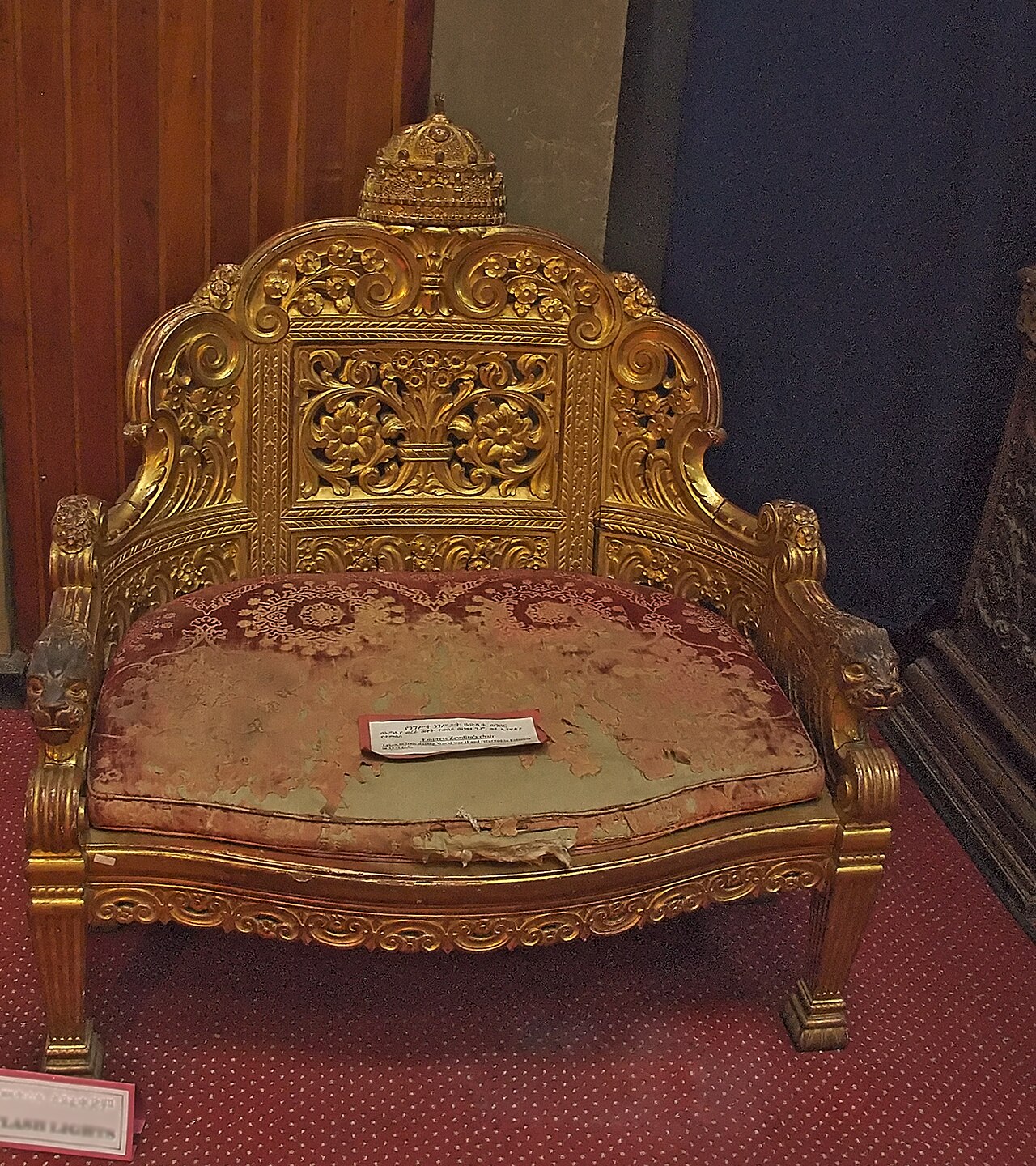
Sailko · CC BY 3.0
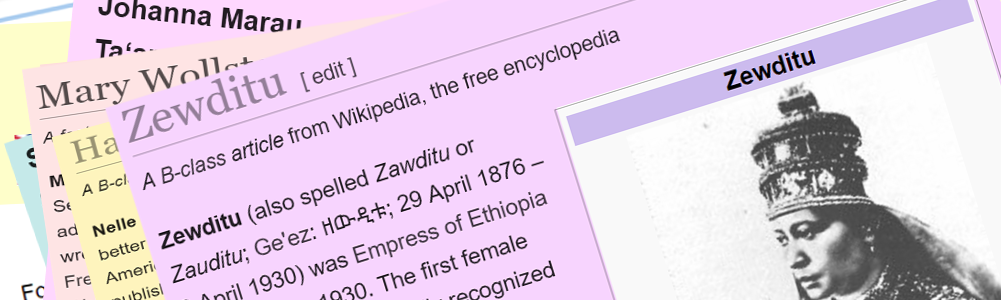
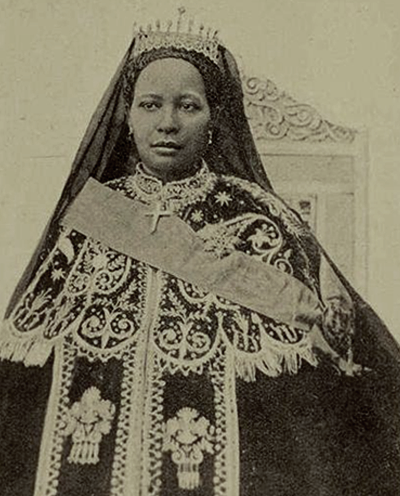
She was the first and only empress regnant of the Ethiopian Empire and is described as the first modern female head of a nation in Africa. Her reign is noted for the reforms of her Regent and heir apparent Ras Tafari Makonnen, which she often opposed due to her staunch conservatism and strong religiosity.
- field
- Monarchy
- nationality
- Ethiopian
- known_for
- First and only empress regnant of the Ethiopian Empire; first modern female head of a nation in Africa
Lore & Background
Initially, Zewditu was not permitted to exercise power herself. Her cousin Ras Tafari Makonnen was appointed regent and heir apparent, and Fitawrari Hapte Giorgis Dinagde was made commander-in-chief. Her reign was marked by a dual power dynamic, with Ras Tafari pushing for reforms and international diplomacy while Zewditu resisted rapid modernization, seeking to maintain traditional values and Ethiopian sovereignty.
Reader's Guide
Zewditu's reign represents a transitional period in Ethiopian history, caught between tradition and modernization. She ascended the throne after the deposition of Lij Iyasu, supported by conservative factions and the Ethiopian Orthodox Church, who saw her as a stabilizing figure. Her conservative policies aimed to preserve Ethiopian cultural heritage and independence, but they created tensions with modernist factions led by her regent, Ras Tafari Makonnen. The dual power dynamic defined her rule, as she navigated internal power struggles and external threats from colonial powers like Italy. Critics argue her conservatism may have hindered progress, while supporters highlight her role in maintaining sovereignty and cultural identity. Her legacy offers insights into the challenges of leadership during significant political and social change.
Did You Know?
- Zewditu is the first and only empress regnant of the Ethiopian Empire.
- She is described as the first modern female head of a nation in Africa.
From Lij Tafari to King of Kings
His mother, Woizero Yeshimebet Ali Abba Jifar, carried Oromo and Silte heritage through her bloodlines, while his father, Ras Makonnen Wolde Mikael, traced maternal roots to the Amhara. The boy's given name, Tafari, carried the weight of respect and even awe. A pivotal military victory against Ras Gugsa Welle at the Battle of Anchem cemented his standing.
Reform, War, and the Struggle for a Modern State
Once enthroned, Selassie set out to reshape an empire that had long resisted the currents of modernity. Yet his reign was repeatedly interrupted by external aggression. During the Second Italo-Ethiopian War, the Italian invasion forced him into exile in Britain, and he spent the war years in Anglo-Egyptian Sudan marshalling resistance against Fascist Italy. He returned home only after the Allied East African campaign turned the tide. In the postwar period he dissolved the United Nations–mandated Federation of Ethiopia and Eritrea, absorbing Eritrea as a province and suppressing secessionist movements. Domestically, his record drew sharp criticism: he cracked down on rebellions among the Mesafint aristocracy, the Harari community suffered persecution and displacement, and the Oromo language was effectively excluded from education and administration, even though no statute formally criminalised it. Human Rights Watch and other observers labelled his government autocratic and illiberal, and his administration also relocated large numbers of Amhara settlers into southern regions.
Pan-African Statesman and Rastafari's Living God
On the world stage, Selassie positioned Ethiopia as a bridge between African sovereignty and the broader international order. The OAU became the forerunner of today's African Union. When radical socialists like Kwame Nkrumah pushed for a fully integrated 'United States of Africa' with explicitly anti-Western rhetoric, Selassie worked to steer the bloc toward a more moderate, alliance-friendly course. Far beyond the political arena, his figure took on a sacred dimension. The Rastafari movement, which crystallised in the 1930s, elevated him to a position of divine significance. Adherents addressed him as Jah, Jah Rastafari, or simply HIM, and many regarded him as the returned Christ. This stood in striking contrast to his own faith: he remained a devoted member of the Ethiopian Orthodox Church throughout his life, and his full imperial title invoked the Conquering Lion of the Tribe of Judah, a lineage claim rooted in the Kebra Nagast epic.
Coup, Assassination, and the Long Aftermath
The final chapter of Selassie's rule was abrupt and violent. The new regime's treatment of the deposed emperor was concealed for years. The decades that followed saw his legacy remain deeply contested. Supporters celebrated him as the defining architect of modern Ethiopia and a beacon of African unity, while critics pointed to the suppression of ethnic and aristocratic opposition, the slow pace of modernisation, and the human-rights record of his administration. For Rastafari, however, his death did not diminish his status; he endures as a living spiritual figure whose influence has only deepened with time.
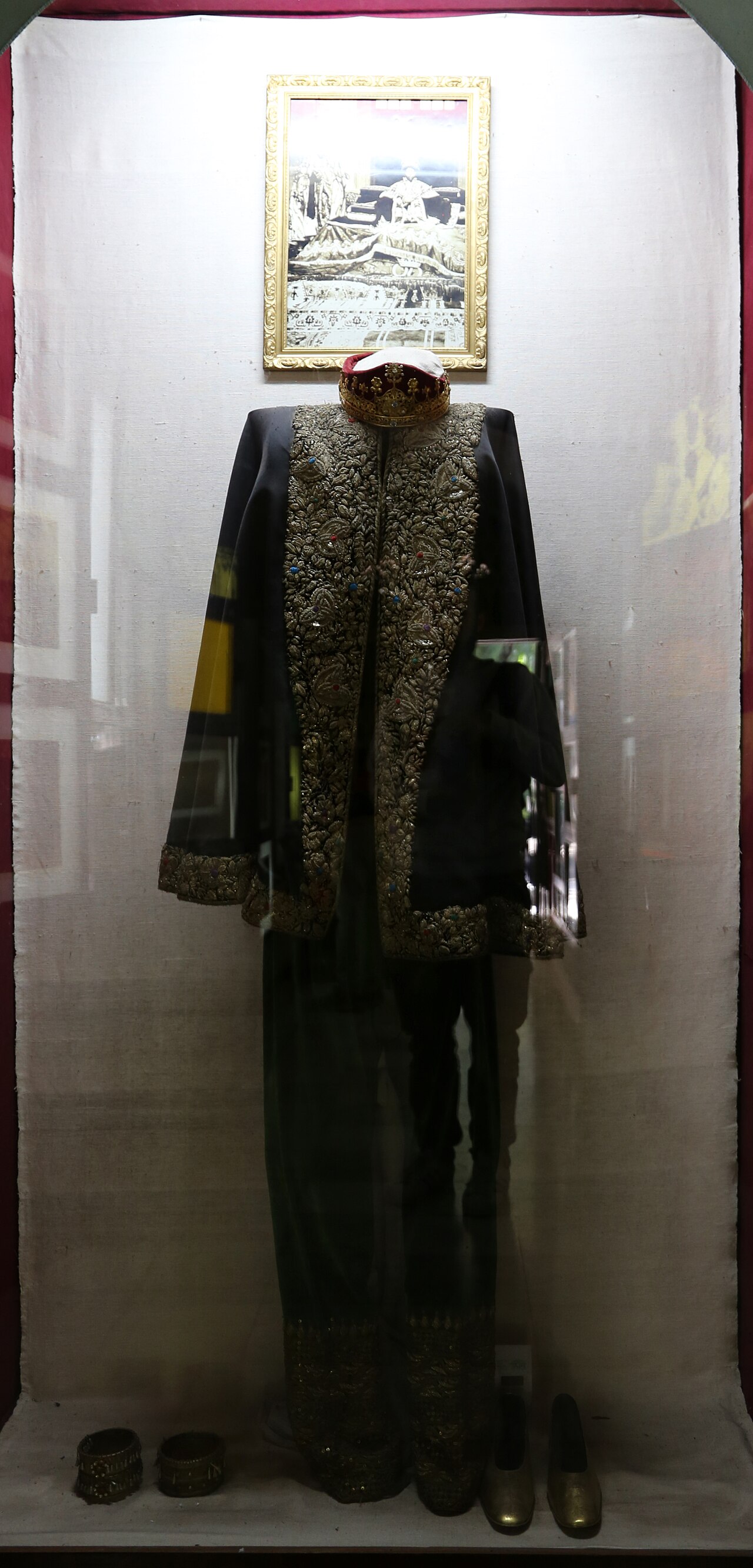
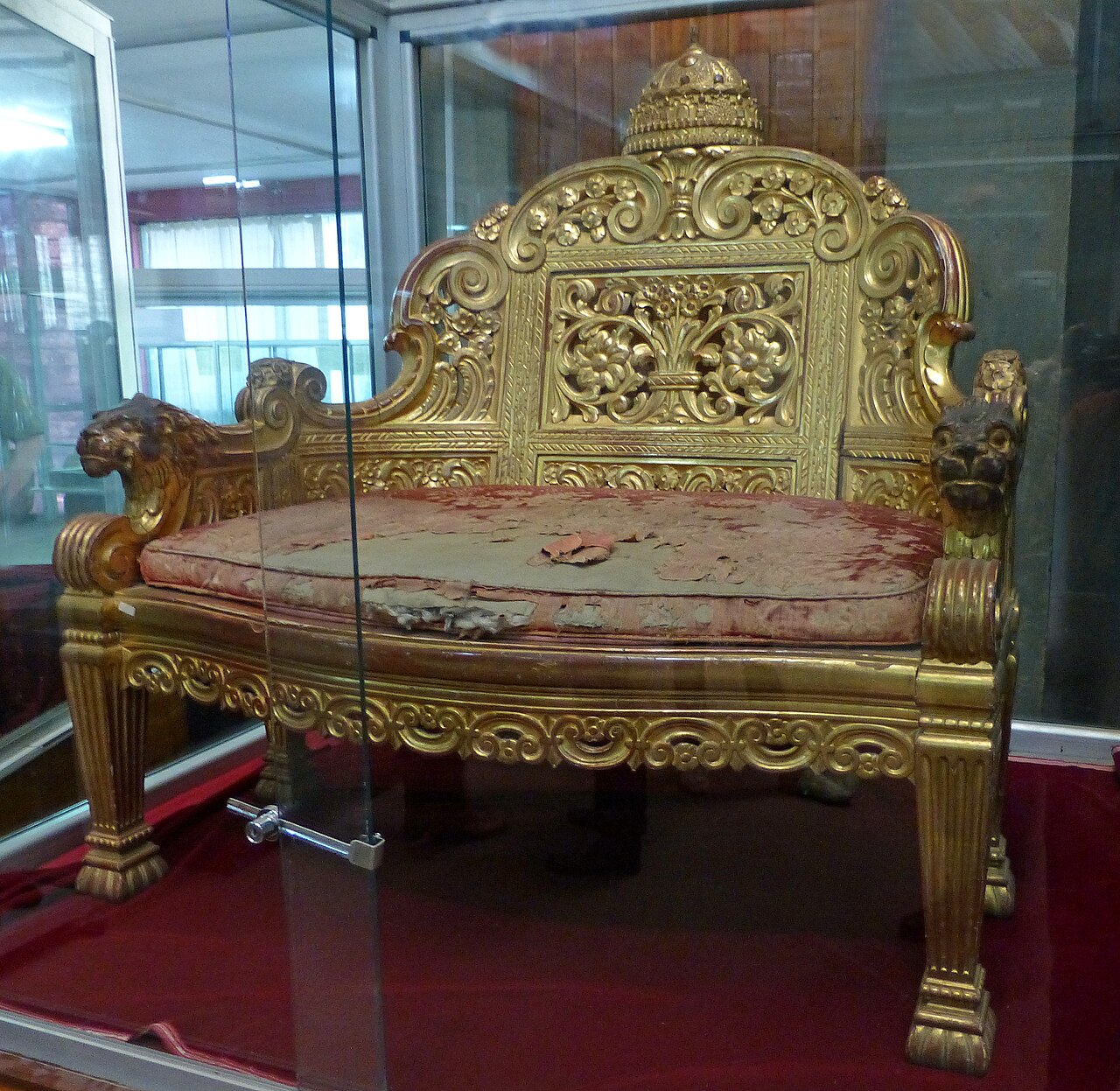
Gallery
Frequently Asked Questions
Who is Zewditu?
Zewditu was the first and only woman to hold the title of empress regnant of the Ethiopian Empire. She is widely recognized as the first modern female head of a nation in Africa.
What made Zewditu's reign politically notable?
Her rule was defined by a tension between her own conservative, deeply religious worldview and the progressive modernization reforms championed by her Regent and heir, Ras Tafari Makonnen. She frequently resisted those reforms, making her reign a clash of tradition versus change.
What was Zewditu's relationship with Ras Tafari Makonnen?
Tafari served as her Regent and designated heir apparent throughout much of her reign. While he pushed forward administrative and social reforms, she often opposed them on the grounds of religious and cultural tradition.
Why is Zewditu considered a landmark figure in African history?
She broke the centuries-old pattern of exclusively male monarchy in Ethiopia, becoming the first woman to rule as sovereign empress regnant. Her accession is cited as a milestone for female political leadership across the continent.
What was Zewditu's nationality and field of leadership?
She was Ethiopian by nationality and her field was monarchy, specifically as the supreme ruler of the Ethiopian Empire.
More in Leaders Of Revolution And Independence 1-20
Spotted an error? Know more?
This is a living reference — every entry is fact-audited, and reader corrections feed straight into our audit queue. Suggest an edit · See this site's audit record