
Yahya Muhammad Hamid ed-Din

أمين فارس أنطوان الريحاني / Ameen Rihani (1876-1940) · Public domain
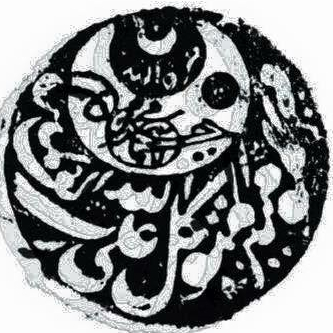
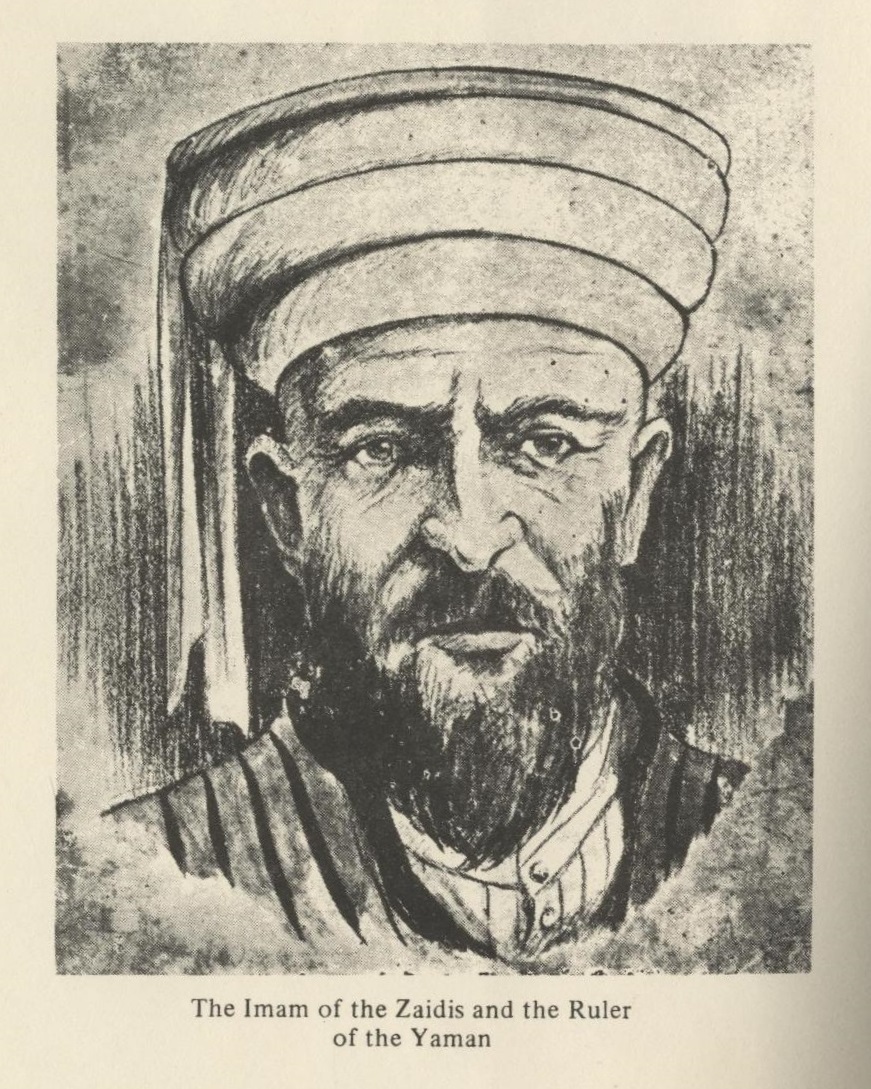
His full title was 'His Majesty Amir al-Mu'mimin al-Mutawakkil 'Ala Allah Rab ul-Alamin Imam Yahya bin al-Mansur Bi'llah Muhammad Hamidaddin, Imam and Commander of the Faithful.' He is significant for establishing Yemen as a sovereign state after Ottoman withdrawal and for his long, isolationist rule.
- field
- Monarch, Imam
- nationality
- Yemeni (Mutawakkilite Kingdom)
Lore & Background
The Ottomans, who had claims in the region, did not recognize his rule, and he spent his early years trying to expel them; they withdrew only after their defeat in World War I. He forbade arms in the capital, appointed sentries, and maintained Ottoman officials to help build a modern state.
Reader's Guide
Imam Yahya's significance lies in his role as the founder of the Mutawakkilite Kingdom of Yemen, navigating the transition from Ottoman suzerainty to independent statehood. A staunch isolationist who never left the Sanaa highlands, he consolidated power through a standing army and by appointing his sons as provincial governors. His reign saw the first Yemeni students sent abroad and an early attempt at economic direction via a trading company, yet Yemen remained a semi-feudal state requiring his personal approval for basic measures. His legacy is complex: admired by Yemeni Jews as a protector, he also enforced an edict prohibiting Jewish emigration (though he later turned a blind eye) and maintained restrictions on Jewish house heights.
Did You Know?
- Imam Yahya never traveled outside Yemen and is said to have never left the Sanaa highlands or seen the Red Sea.
- He had 14 sons.
Rise to Power and Early Consolidation
His early reign was marked by aggressive expansion and defiance of foreign powers. Almost immediately after consolidating his authority in the capital, he directed military force toward Aden, the British-administered port to the south, but the colonial garrison successfully repelled his incursions. Undeterred, Yahya turned his attention inward, crushing tribal rebellions across the Southern Tihama coast and pushing his influence toward the Emirate of Asir. To bolster his standing on the international stage, he forged diplomatic agreements with both the Kingdom of Italy and the Soviet Union, signaling that his new state would not be confined to a single bloc. These early moves established the pattern of a ruler who combined religious authority with territorial ambition, even as his military reach repeatedly proved limited against better-equipped opponents.
Diplomacy, War, and the Turn to Isolation
Yahya's foreign policy oscillated between confrontation and negotiation throughout the 1920s and 1930s. A far more damaging conflict arose with Saudi Arabia when Yahya refused to hand over the Emir of Asir, a local ruler who had aligned himself with Riyadh and subsequently rebelled. The resulting Saudi-Yemeni war lasted roughly four months before Yemen was forced to cede the territories of Jizan, Najran, and Asir to its northern neighbor. The territorial losses and the humiliation of defeat prompted the Kingdom of Yemen to adopt a markedly isolationist posture in the years that followed, withdrawing from broader regional engagements and retreating into a more inward-looking governance model that would characterize the remainder of the monarchy's existence.
Authoritarian Rule and Sectarian Divisions
Yahya's hold on power rested on a fragile foundation of sectarian loyalty. Among the Zaydi tribes of the northern highlands, his status as imam conferred a deep religious legitimacy that made his authority difficult to challenge. However, the Sunni communities concentrated in the coastal lowlands and southern regions viewed his rule with far less enthusiasm, creating a persistent undercurrent of resistance that never fully dissipated. To shore up his grip, Yahya governed as an absolute monarch, centralizing power and distributing provincial governorships among his own sons, effectively turning the state into a family fiefdom. This dynastic arrangement alienated other tribal leaders and suppressed any meaningful political participation. The combination of religious exclusivity, nepotistic administration, and the absence of constitutional safeguards generated mounting dissatisfaction across the population. By the mid-1940s, the pressure had become unsustainable, setting the stage for the violent rupture that would end his life and, ultimately, the entire Mutawakkilite monarchy.
Assassination and the Long Fall of the Monarchy
His crown prince, Ahmad bin Yahya, quickly moved to seize the throne, securing his position with the backing of loyal Zaydi tribal forces. After Ahmad's death, his son Muhammad al-Badr assumed power, but within a mere week, soldiers led by Abdullah al-Sallal, backed by Egyptian military support, staged a coup and proclaimed the Yemen Arab Republic. Al-Badr retreated into the mountains and waged a civil war alongside Zaydi tribal fighters, with Saudi Arabia providing support to the royalist cause while Egypt committed troops to the republican side.
Gallery




Frequently Asked Questions
Who is Yahya Muhammad Hamid ed-Din?
He was a Yemeni monarch and Imam who ruled the Mutawakkilite Kingdom of Yemen, holding the dual role of religious leader and sovereign ruler. He is best known for securing Yemen's sovereignty after the Ottoman Empire withdrew from the region.
What role did Yahya Muhammad Hamid ed-Din play in independence?
He established Yemen as a sovereign state following the Ottoman departure, effectively claiming the nation's political autonomy for himself and his dynasty. His position as Imam and monarch gave Yemen a centralized, unified leadership during a period of widespread regional upheaval.
What was Yahya Muhammad Hamid ed-Din's full title?
His complete title read 'His Majesty Amir al-Mu'mimin al-Mutawakkil 'Ala Allah Rab ul-Alamin Imam Yahya bin al-Mansur Bi'llah Muhammad Hamidaddin, Imam and Commander of the Faithful.' The phrasing reflected both his religious authority as Imam and his political status as sovereign ruler of the Mutawakkilite Kingdom.
How did Yahya Muhammad Hamid ed-Din govern Yemen?
His long reign was defined by a strongly isolationist approach, keeping Yemen largely closed to outside influence and foreign intervention. He maintained centralized, autocratic control over the kingdom throughout his rule, resisting external diplomatic and economic entanglements.
Why is Yahya Muhammad Hamid ed-Din important in the study of independence leaders?
He represents a distinctive case where a religious-political figure consolidated a nation's sovereignty from the remnants of an imperial power without a conventional armed revolution. His establishment of an independent Yemeni state and his decades-long isolationist governance make him a notable figure in the broader narrative of post-imperial self-determination.
More in Leaders Of Revolution And Independence 1-20
Spotted an error? Know more?
This is a living reference — every entry is fact-audited, and reader corrections feed straight into our audit queue. Suggest an edit · See this site's audit record