Władysław Sikorski
Polish military and political leader, prime minister of government-in-exile.

via Wikipedia: Władysław Sikorski · see source
Władysław Eugeniusz Sikorski was a Polish military and political leader. Before World War I, he established and participated in several underground organizations that promoted the cause of Polish independence. He fought with distinction in the Polish Legions during World War I, and later in the newly created Polish Army during the Polish–Soviet War of 1919–1921, playing a prominent role in the decisive 1920 Battle of Warsaw. During World War II, he became prime minister of the Polish government-in-exile and Commander-in-Chief of the Polish Armed Forces, a vigorous advocate of the Polish cause in the diplomatic sphere. His death in a plane crash at Gibraltar in July 1943, under disputed circumstances, was a severe setback for the Polish cause.
- born
- 20 May 1881, Tuszów Narodowy, Galicia, Austro-Hungarian Empire
- died
- 4 July 1943, Gibraltar (plane crash into the sea)
- field
- Military and political leadership
- nationality
- Polish
- known_for
- Prime minister of Poland (1922–1923), prime minister of Polish government-in-exi
Verified Timeline
Lore & Background
Sikorski was born on 20 May 1881 in Tuszów Narodowy, Galicia, then part of the Austro-Hungarian Empire. He studied engineering at the Lwów Polytechnic, graduating in 1908 with a diploma in hydraulic engineering, and volunteered for a year's service in the Austro-Hungarian army, obtaining an officer's diploma. In 1908, in Lwów, he co-organized the secret Union for Active Struggle with Józef Piłsudski and others, aiming at an uprising against the Russian Empire. In 1910 he helped organize a Riflemen's Association and became president of its Lwów chapter. During World War I, he served as chief of the Military Department in the Supreme National Committee and was promoted to colonel in 1916. Tensions grew with Piłsudski over cooperation with Austria-Hungary. After the war, he commanded troops in the Polish–Ukrainian War, securing Przemyśl in October–November 1918, and in the Polish–Soviet War he commanded the Polesie Group, was promoted to brigade general on 1 April 1920, and distinguished himself commanding the Polish 5th Army at the Battle of Warsaw.
Reader's Guide
Władysław Sikorski was a central figure in Polish efforts to regain and maintain independence across two world wars. His significance lies in his military leadership during the Polish–Soviet War, particularly at the Battle of Warsaw, where his 5th Army stopped the Bolshevik advance north of Warsaw and gave Piłsudski time for his counter-offensive. In the early years of the Second Polish Republic, he held government posts including prime minister (1922–1923) and minister of military affairs (1923–1924). After Józef Piłsudski's May 1926 Coup, he fell out of favor with the new Sanation government. During World War II, as prime minister of the Polish government-in-exile and Commander-in-Chief of the Polish Armed Forces, he supported reestablishing diplomatic relations with the Soviet Union. In April 1943, after he asked the International Red Cross to investigate the Katyn massacres, Soviet leader Joseph Stalin broke off Soviet-Polish diplomatic relations. His death in a plane crash at Gibraltar on 4 July 1943, which killed all on board except the pilot, was a severe setback for the Polish cause, and the exact circumstances have been disputed.
Did You Know?
- Sikorski's grandfather, Tomasz Kopaszyna Sikorski, fought and was wounded at the Battle of Olszynka Grochowska during the November Uprising, receiving the Virtuti Militari medal.
- Sikorski graduated in 1908 from the Lwów Polytechnic with a diploma in hydraulic engineering, specializing in road and bridge construction.
- In 1908, Sikorski co-organized the secret Union for Active Struggle in Lwów together with Józef Piłsudski, Marian Kukiel, Walery Sławek, Kazimierz Sosnkowski, Witold Jodko-Narkiewicz and Henryk Minkiewicz.
- During the Battle of Warsaw in 1920, Sikorski commanded the Polish 5th Army and from 15 August engaged the Soviet 5th and 15th Armies, stopping the Bolshevik advance north of Warsaw.
- The plane crash at Gibraltar on 4 July 1943 killed everyone on board except the pilot, and the exact circumstances have been disputed.
From Engineering to Underground Resistance
Sikorski was born on 20 May 1881 in Tuszów Narodowy, Galicia, under Austro-Hungarian rule. His father was a school teacher; his mother was Emilia Habrowska. His grandfather had fought and been wounded at the Battle of Olszynka Grochowska in the November Uprising, receiving the Virtuti Militari medal. After attending gimnazjum in Rzeszów from 1893 to 1897 and a teachers' college, he passed his final high school exam at the Lwów Franciszek Józef Gymnasium in 1902. That year he began studying engineering at the Lwów Polytechnic, specializing in road and bridge construction, and graduated in 1908 with a diploma in hydraulic engineering. In 1906 he volunteered for a year's service in the Austro-Hungarian army and attended the Austrian Military School, becoming a reserve second lieutenant. After graduation he worked for the Galician administration's hydraulic engineering department on the San river, and later in private construction, real estate, and petroleum. During his studies he became involved in the People's School Association, and around 1904–1905 with the endecja Association of the Polish Youth 'Zet', then drifted toward paramilitary socialist organizations. In 1908, in Lwów, he co-organized the secret Union for Active Struggle with Józef Piłsudski, Marian Kukiel, Walery Sławek, Kazimierz Sosnkowski, Witold Jodko-Narkiewicz and Henryk Minkiewicz, aiming at an uprising against the Russian Empire. In 1910 he helped organize a Riflemen's Association, became president of its Lwów chapter, and lectured other activists on military tactics.
The Legions and the Oath Crisis
When World War I began in July 1914, Sikorski was mobilized but through the Commission of Confederated Independence Parties was allowed to help organize Polish military units. He became chief of the Military Department in the Supreme National Committee, remaining until 1916, and served as a recruitment commissioner for the Polish Legions in Kraków. On 30 September 1914 he was promoted to lieutenant colonel and soon commanded a Legions officer school. The Legions, created by Piłsudski, initially fought with Austria-Hungary against Russia. From August 1915 tension grew between Sikorski, who advocated cooperation with Austria-Hungary, and Piłsudski, who felt Austria-Hungary and Germany had betrayed the Polish people. In 1916 Piłsudski campaigned to disband Sikorski's Military Department. In July 1916 Sikorski was promoted to colonel. After the Act of 5 November 1916, he became involved with the Polish Auxiliary Corps and Polnische Wehrmacht. In June 1917 Piłsudski refused to swear loyalty to the Habsburg Emperor (the 'oath crisis') and was interned at Magdeburg, while Sikorski abandoned Polnische Wehrmacht and returned to the Austro-Hungarian Army. In 1918, after the February Treaty of Brest-Litovsk and the battle of Rarańcza, Sikorski belatedly sided with Piłsudski, protesting the planned separation of Chełm Land, and soon joined Piłsudski in internment at Dulfalva (Dulovo). This was not enough to smooth differences between them.
Interwar Service and Political Marginalization
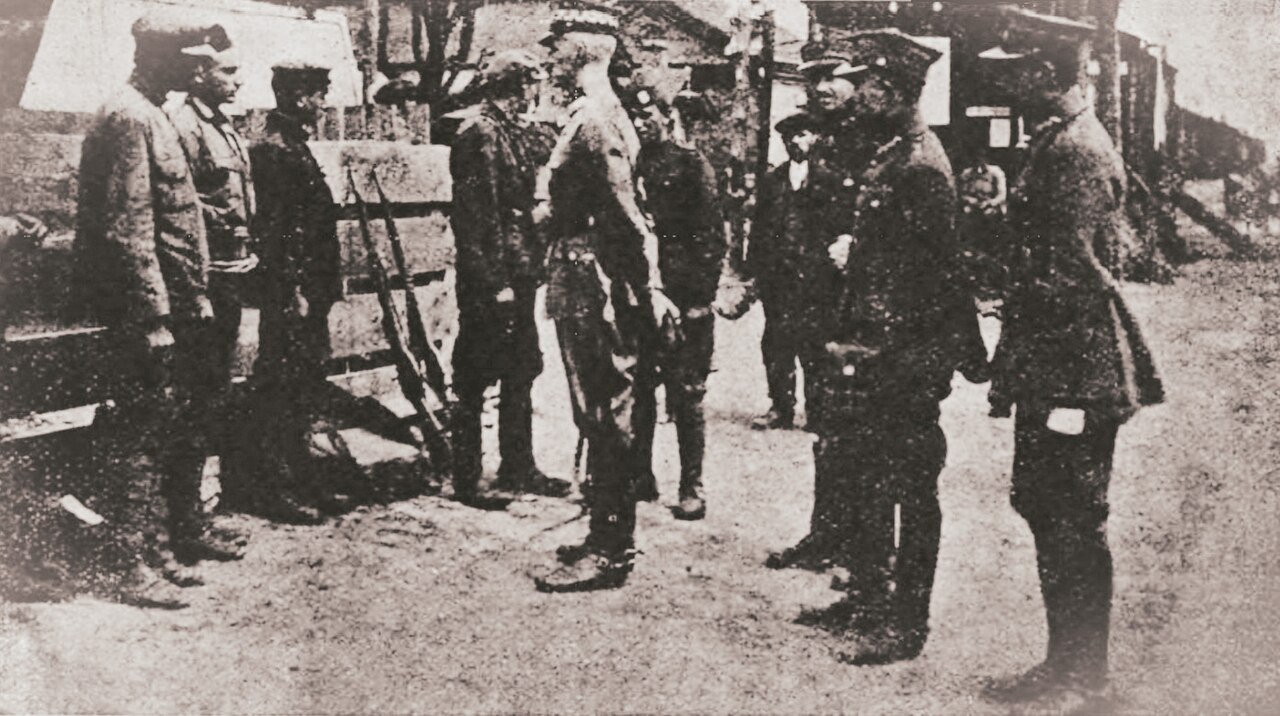
After his release from internment, from 1 May 1918 Sikorski worked for the Regency Council organizing the new Polish Army. In the Polish–Ukrainian War, troops under his command secured and defended Przemyśl in October–November 1918. In the Polish–Soviet War, he commanded troops defending Gródek Jagielloński in January 1919, and an infantry division advancing to Stawczany and Zbrucz in March 1919. From 1 August 1918 he commanded the Polesie Group and the Polish 9th Infantry Division, overseeing trials of 36 officers to curtail excesses. His forces took Mozyr and Kalenkowicze in March 1920, and he commanded the Polesie Group during the Kiev offensive in April 1920, advancing to the Dnieper and Chernobyl. On 1 April 1920 he was promoted to brigade general. He successfully defended Mozyr and Kalenkowicze until 29 June, then defended the Brest fortress long enough for an orderly retreat. On 6 August he was named commander of the newly formed Polish 5th Army, tasked with holding the front north of Modlin. At the Battle of Warsaw, he stopped the Bolshevik advance north of Warsaw, engaging the Soviet 5th and 15th Armies from 15 August, giving Piłsudski time for his counter-offensive. In the early years of the Second Polish Republic, he held government posts including prime minister (1922–1923) and minister of military affairs (1923–1924). Following Józef Piłsudski's May 1926 Coup and the installation of the Sanation government, he fell out of favor with the new régime.
The Exile Years and the Gibraltar Tragedy
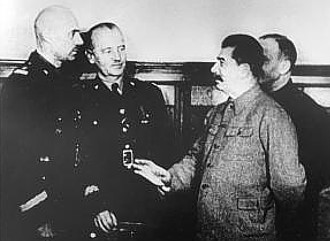
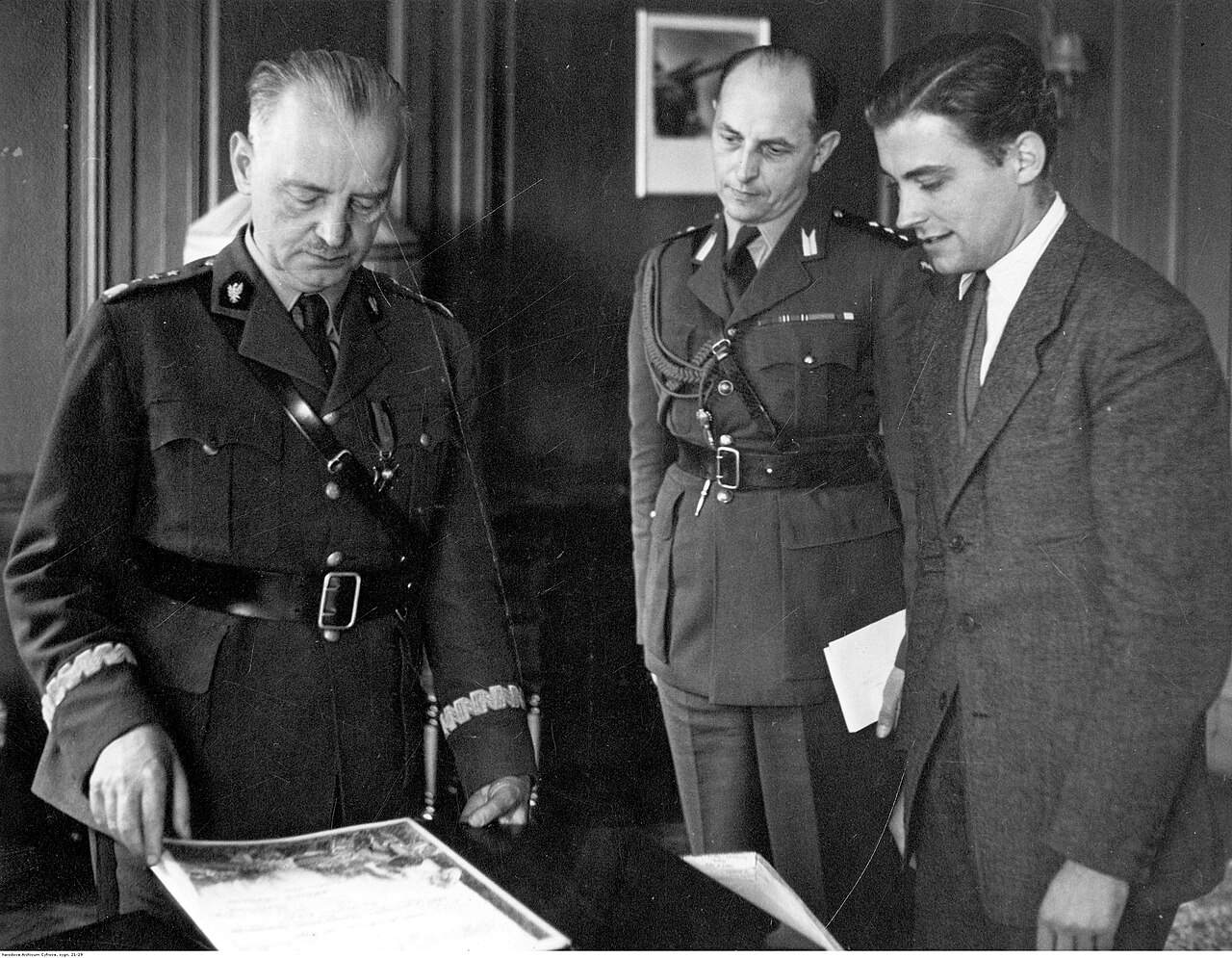
During World War II, Sikorski became prime minister of the Polish government-in-exile, Commander-in-Chief of the Polish Armed Forces, and a vigorous advocate of the Polish cause in the diplomatic sphere. He supported the reestablishment of diplomatic relations between Poland and the Soviet Union, which had been severed after the September 1939 Soviet invasion of Poland. In April 1943, Soviet leader Joseph Stalin broke off Soviet-Polish diplomatic relations after Sikorski asked the International Red Cross to investigate the Katyn massacres. On 4 July 1943, a plane carrying Sikorski plunged into the sea immediately on takeoff from Gibraltar, killing all on board except the pilot. The exact circumstances of Sikorski's death have been disputed and have given rise to various theories surrounding the crash. Sikorski had been the most prestigious leader of the Polish exiles, and his death was a severe setback for the Polish cause.
Gallery
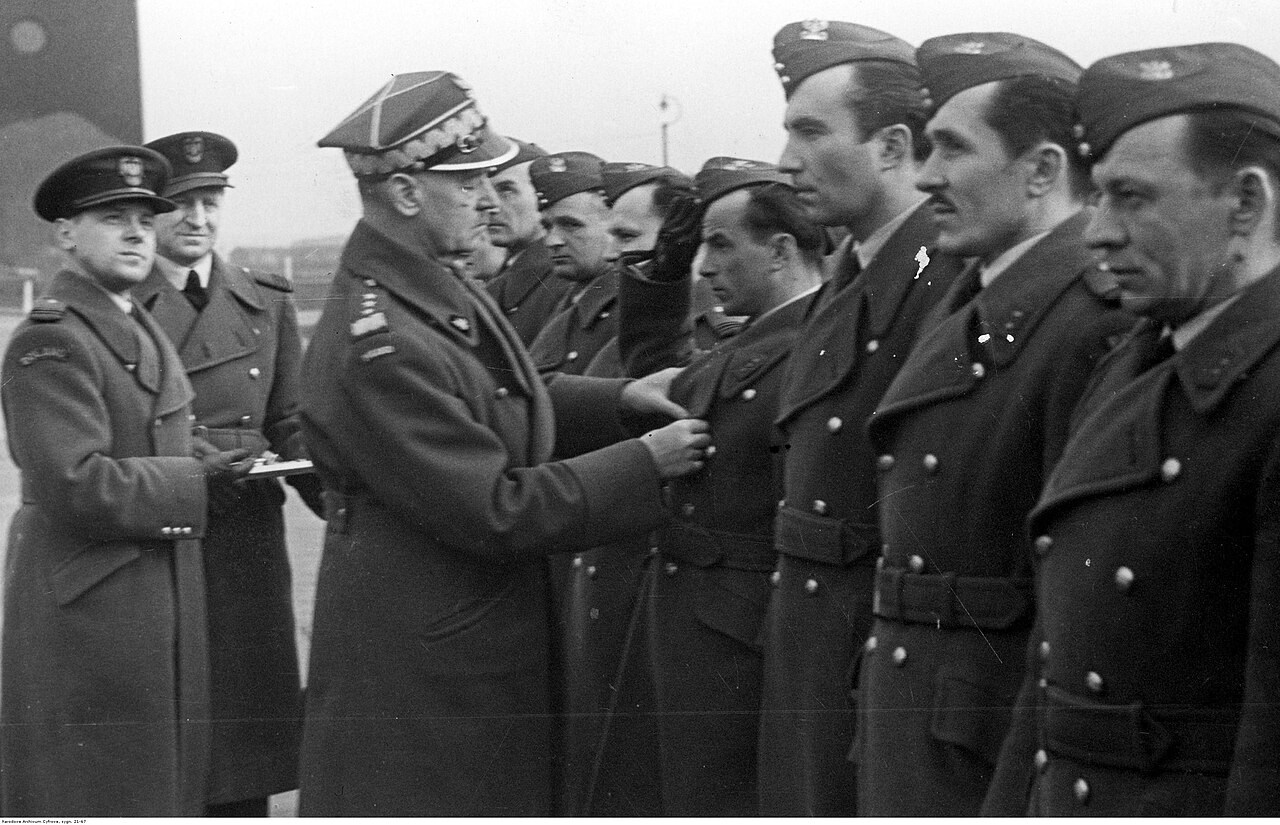
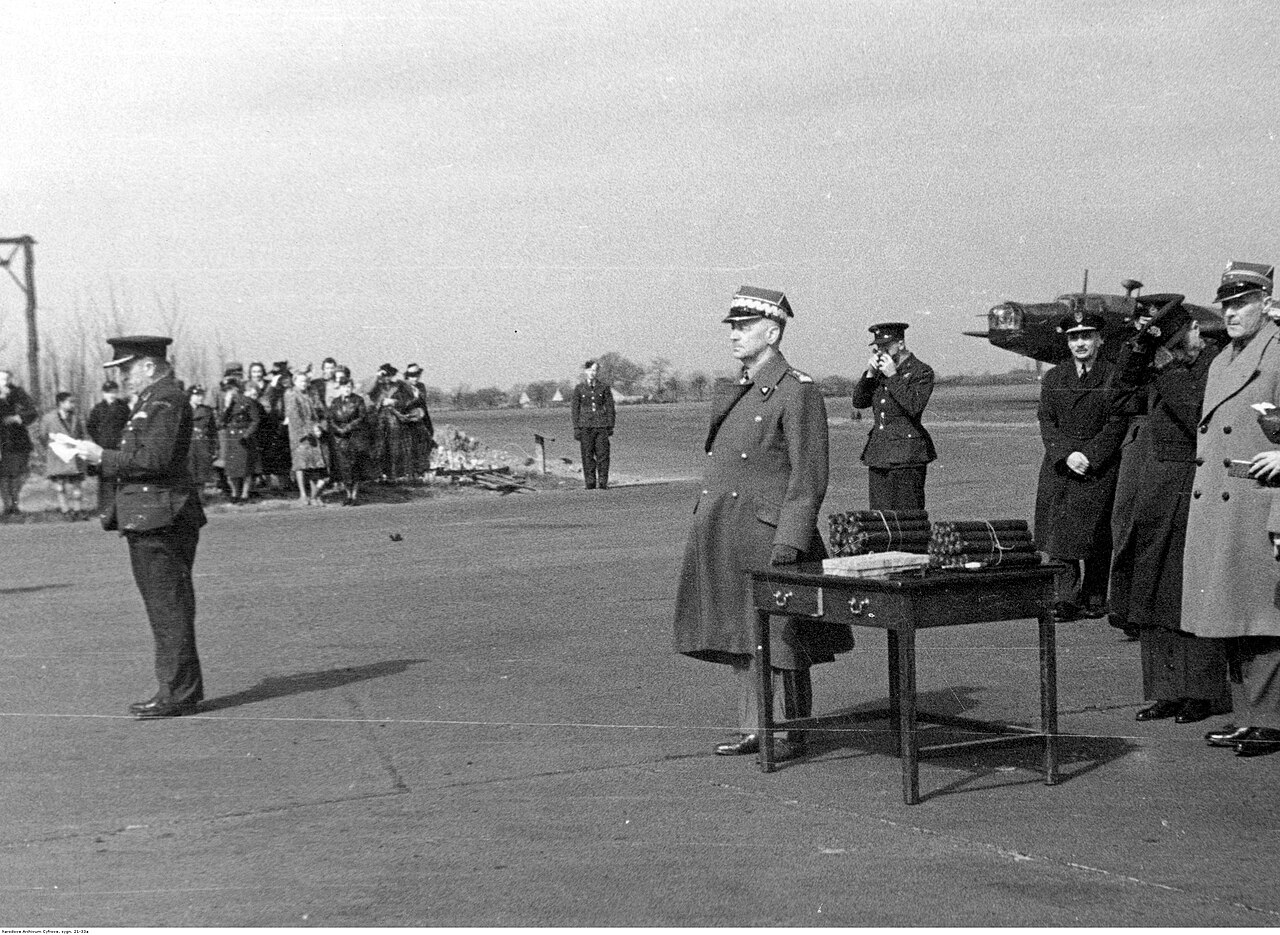
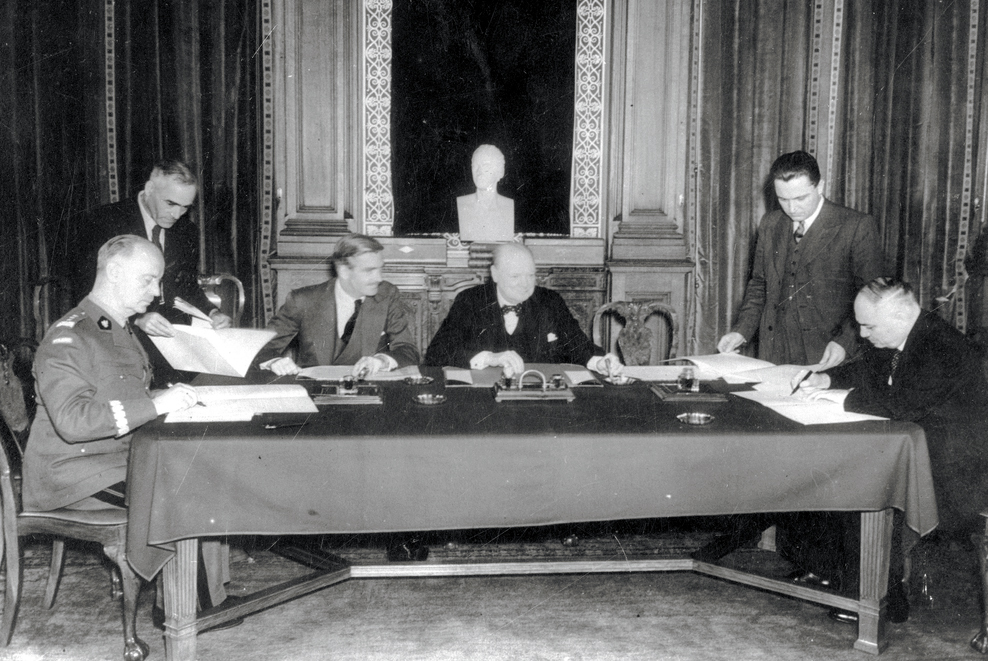
Frequently Asked Questions
Who is Władysław Sikorski?
He was a Polish military officer and statesman who served as prime minister in interwar Poland and later headed the government-in-exile during World War II. Born in 1881 in Galicia under Austro-Hungarian rule, he devoted his career to freeing and defending the Polish nation.
What role did Sikorski play in Polish independence?
Before World War I he helped organize underground groups that pushed for Poland's liberation from foreign rule. He then fought in the Polish Legions and later commanded troops in the Polish Army, notably contributing to the decisive 1920 Battle of Warsaw that secured the young republic's survival.
What was Sikorski's role during World War II?
He served as prime minister of the Polish government-in-exile and as Commander-in-Chief of the Polish Armed Forces operating abroad. In that capacity he lobbied Allied governments relentlessly to keep Poland's territorial and political claims on the postwar table.
How did Sikorski's life end?
On 4 July 1943 his aircraft crashed into the sea off Gibraltar, killing him and most of those aboard. The exact cause of the crash has been debated for decades, with some historians pointing to mechanical failure and others to sabotage.
Why is Sikorski considered important in the history of revolution and independence?
He spent his entire adult life in service of Polish statehood, moving from clandestine activism to wartime command to high-level diplomacy. His dual legacy as both a battlefield leader and a political architect makes him a central figure in the modern Polish independence narrative.
More in Leaders Of Revolution And Independence 1-20
Spotted an error? Know more?
This is a living reference — every entry is fact-audited, and reader corrections feed straight into our audit queue. Suggest an edit · See this site's audit record