Simón Bolívar
Venezuelan military officer who liberated six nations from Spanish rule.

via Wikipedia: Simón Bolívar · see source
Simón José Antonio de la Santísima Trinidad Bolívar Palacios Ponte y Blanco (24 July 1783 – 17 December 1830) was a Venezuelan military officer and statesman who led what are currently the countries of Bolivia, Colombia, Ecuador, Panama, Peru, and Venezuela to independence from the Spanish Empire. He is known colloquially as El Libertador, 'the Liberator,' of America.
- born
- 24 July 1783, Caracas, Captaincy General of Venezuela
- died
- 17 December 1830, tuberculosis
- field
- Military officer, statesman
- nationality
- Venezuelan (criollo)
- known_for
- Leading independence of Bolivia, Colombia, Ecuador, Panama, Peru, and Venezuela
Verified Timeline
Lore & Background
Bolívar was born in Caracas into a wealthy criollo family but lost both parents as a child. He was educated abroad and lived in Spain, as was common for upper-class men of his day. While in Madrid from 1800 to 1802, he was introduced to Enlightenment philosophy and married María Teresa Rodríguez del Toro y Alaysa, who died of yellow fever in Venezuela in 1803. From 1803 to 1805, Bolívar embarked on a Grand Tour that ended in Rome, where he swore to end Spanish rule in the Americas. In 1807, he returned to Venezuela and promoted independence among wealthy creoles. When Napoleon's Peninsular War weakened Spanish authority, Bolívar became a zealous combatant and politician in the Spanish American wars of independence. Bolívar began his military career in 1810 as a militia officer in the Venezuelan War of Independence. After Spanish forces subdued New Granada in 1815, he was forced into exile on Jamaica. In Haiti, he met and befriended Haitian revolutionary leader Alexandre Pétion, and after promising to abolish slavery in Spanish America, received military support and returned to Venezuela. He established a third republic in 1817, crossed the Andes to liberate New Granada in 1819, and with his allies defeated the Spanish in New Granada (1819), Venezuela and Panama (1821), Ecuador (1822), Peru (1824), and Bolivia (1825). Venezuela, New Granada, Ecuador, and Panama were merged into the Republic of Colombia (Gran Colombia), with Bolívar as president there and in Peru and Bolivia.
Reader's Guide
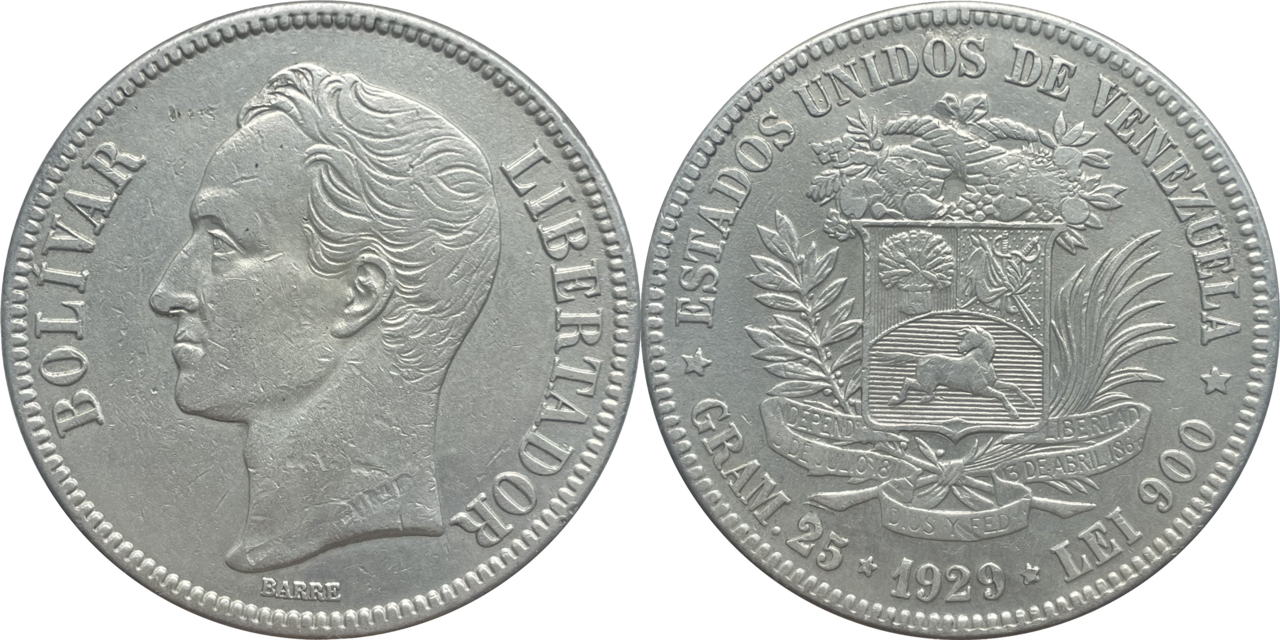
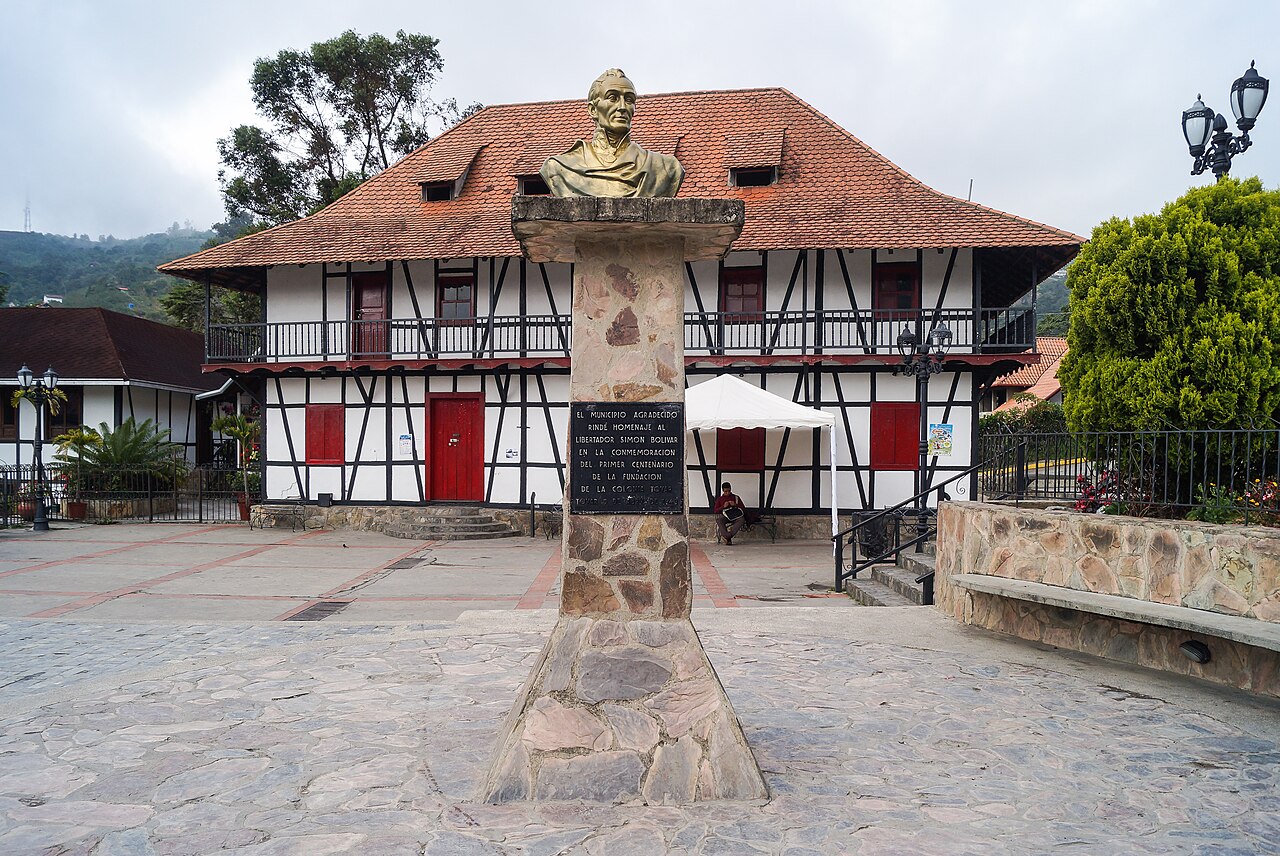
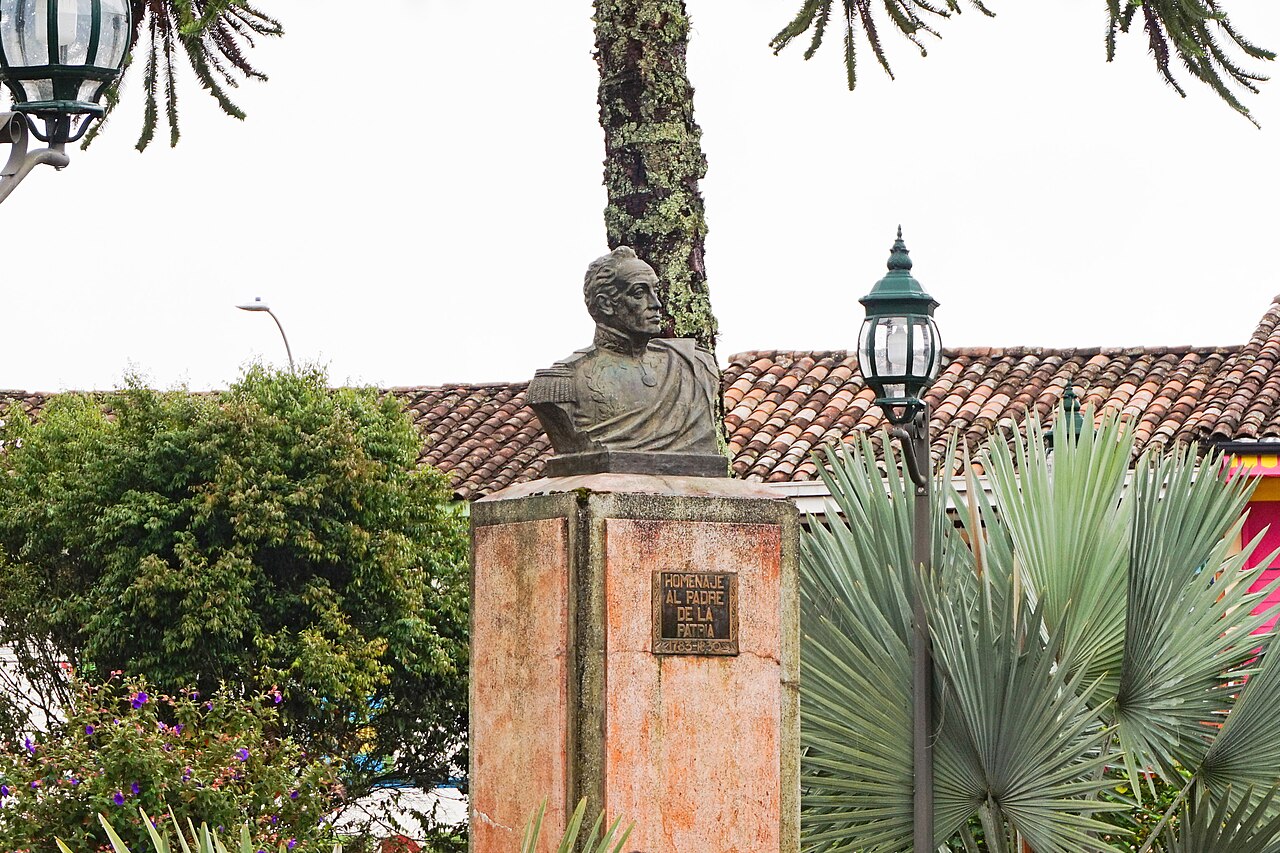
Simón Bolívar is regarded as a hero and national and cultural icon throughout Latin America. His legacy is diverse and far-reaching within Latin America and beyond. The nations of Bolivia and Venezuela (as the Bolivarian Republic of Venezuela) are named after him, and he has been memorialized all over the world in the form of public art or street names and in popular culture. In his final years, Bolívar became increasingly disillusioned with the South American republics. He was successively removed from his offices until he resigned the presidency of Colombia and died of tuberculosis in 1830. His role as the central figure in the independence of six modern countries and his vision of a unified South America, though ultimately unrealized, have made him a lasting symbol of liberation and political ambition.
Did You Know?
- Bolívar was baptized as Simón José Antonio de la Santísima Trinidad Bolívar Palacios Ponte y Blanco on 30 July 1783.
- He was raised by an African house slave named Hipólita, whom he viewed as both a motherly and fatherly figure.
- Bolívar swore to end Spanish rule in the Americas on 18 August 1805 at the Mons Sacer in Rome.
- He promised to abolish slavery in Spanish America in exchange for military support from Haitian leader Alexandre Pétion.
- Bolívar died of tuberculosis on 17 December 1830, the same disease that killed both his parents.
Early Life and Formative Years
Simón Bolívar entered the world on 24 July 1783 in Caracas, the youngest of four children born to Juan Vicente Bolívar y Ponte and María de la Concepción Palacios y Blanco. The family's lineage stretched back to a Basque notary who had settled in Venezuela in the 1580s, and by the late eighteenth century the Bolívars ranked among the wealthiest criollo households in the Spanish Americas. Yet the boy's early years were defined by loss. His father died of tuberculosis on 19 January 1786, and his mother succumbed to the same illness on 6 July 1792. Orphaned at nine, Simón was raised largely by African house slaves, most notably a woman named Hipólita whom he regarded as both mother and father. His uncle Carlos Palacios y Blanco, who assumed custody, showed no interest in the child beyond the inheritance he represented. Bolívar proved a restless and unruly student, passing through tutors including Miguel José Sanz, Simón Rodríguez, Andrés Bello, and Francisco de Andújar. When Rodríguez was forced into exile in 1797 over his connection to the pro-independence Gual and España conspiracy, the young Bolívar was enrolled in an honorary militia, where he earned a commission before his uncles sent him to Madrid.
The Seeds of Revolution
During his years in Madrid between 1800 and 1802, the young Bolívar encountered Enlightenment philosophy, an intellectual current that would reshape his political outlook for life. He also married María Teresa Rodríguez del Toro y Alaysa on 26 May 1802, a union that ended tragically when she contracted yellow fever and died in Venezuela on 22 January 1803. Grief-stricken, Bolívar set out on what he called a Grand Tour, traveling through Europe from 1803 to 1805 and ultimately reaching Rome. There, on 18 August 1805, at the Mons Sacer, he swore an oath to dedicate himself to ending Spanish dominion over the Americas. Returning to Venezuela in 1807, he began agitating among other wealthy creoles for independence from the Spanish Empire. The political landscape shifted dramatically when Napoleon's Peninsular War weakened Spanish authority in the colonies. Bolívar seized the moment, transforming from a wealthy socialite into a zealous combatant and politician in the Spanish American wars of independence. His commitment to liberation was no longer abstract philosophy; it had become a personal crusade forged in grief, intellectual awakening, and the chaos of a continent in upheaval.
The Liberation Campaigns
Bolívar's military career launched in 1810 when he took up a militia officer's role in the Venezuelan War of Independence. He fought against Royalist forces for the first and second Venezuelan republics as well as the United Provinces of New Granada, but Spanish armies eventually subdued New Granada in 1815, forcing Bolívar into exile on Jamaica. His fortunes turned in Haiti, where he met and befriended revolutionary leader Alexandre Pétion. After promising to abolish slavery in Spanish America, Bolívar received crucial military support from Pétion and returned to Venezuelan soil. In 1817 he established a third republic, and in 1819 he executed a daring crossing of the Andes to liberate New Granada. The victories cascaded: New Granada fell free in 1819, Venezuela and Panama in 1821, Ecuador in 1822, Peru in 1824, and Bolivia in 1825. These liberated territories were merged into the Republic of Colombia, known as Gran Colombia, with Bolívar serving as president there as well as in Peru and Bolivia. In a span of fifteen years, he had dismantled an empire.
Decline and Enduring Legacy
In his final years, the man who had liberated half a continent grew increasingly disillusioned with the republics he had helped build. Successive political conflicts led to his removal from office after office, and he ultimately resigned the presidency of Colombia. He died of tuberculosis on 17 December 1830, at the age of forty-seven, the same disease that had claimed both his parents. Yet Bolívar's death did not diminish his stature. Across Latin America and beyond, he is regarded as a hero, a national symbol, and a cultural icon. Two entire nations bear his name: Bolivia and the Bolivarian Republic of Venezuela. His image appears in public art, on street names, and in popular culture throughout the world. The legacy of El Libertador remains diverse and far-reaching within Latin America and beyond.
Gallery
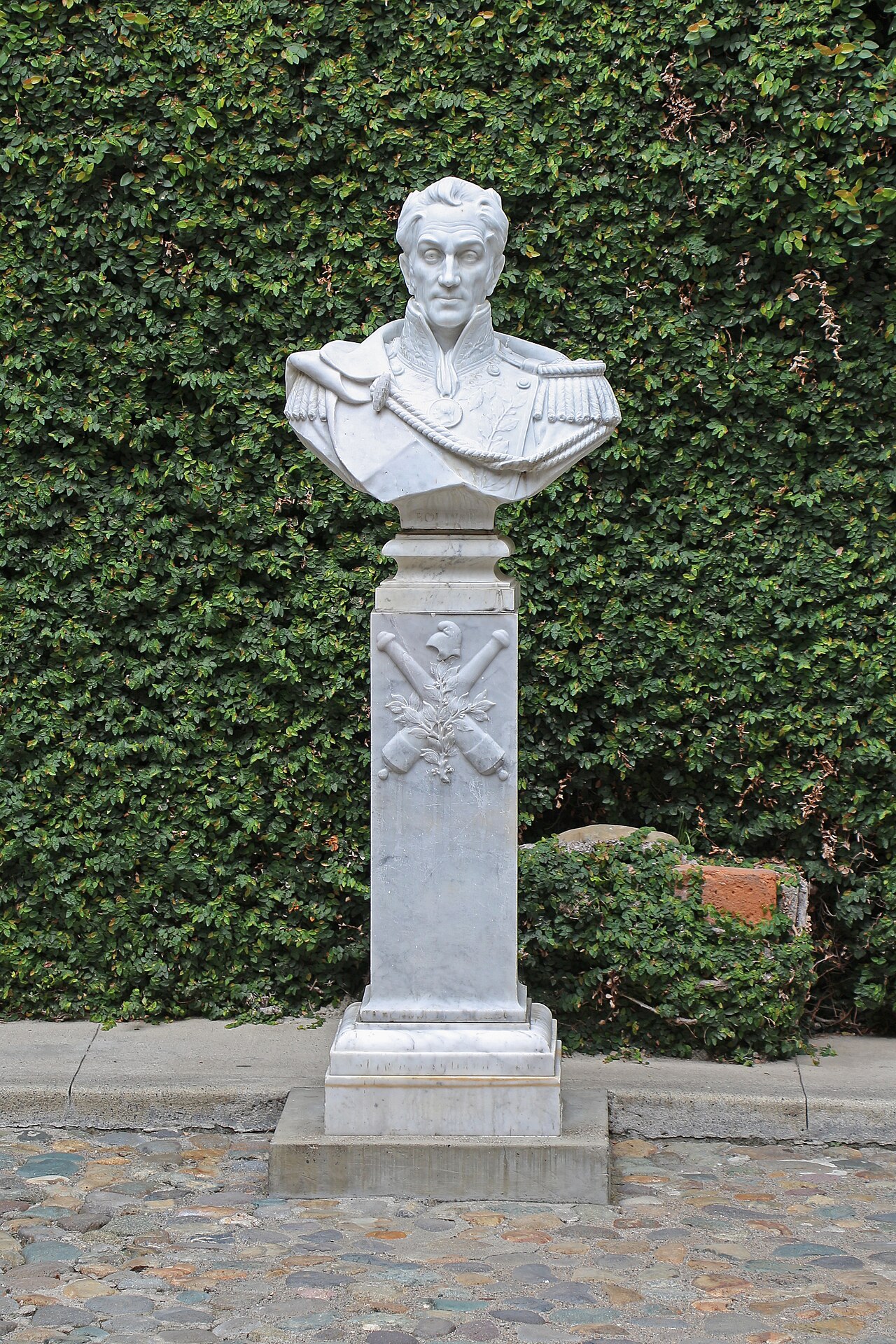
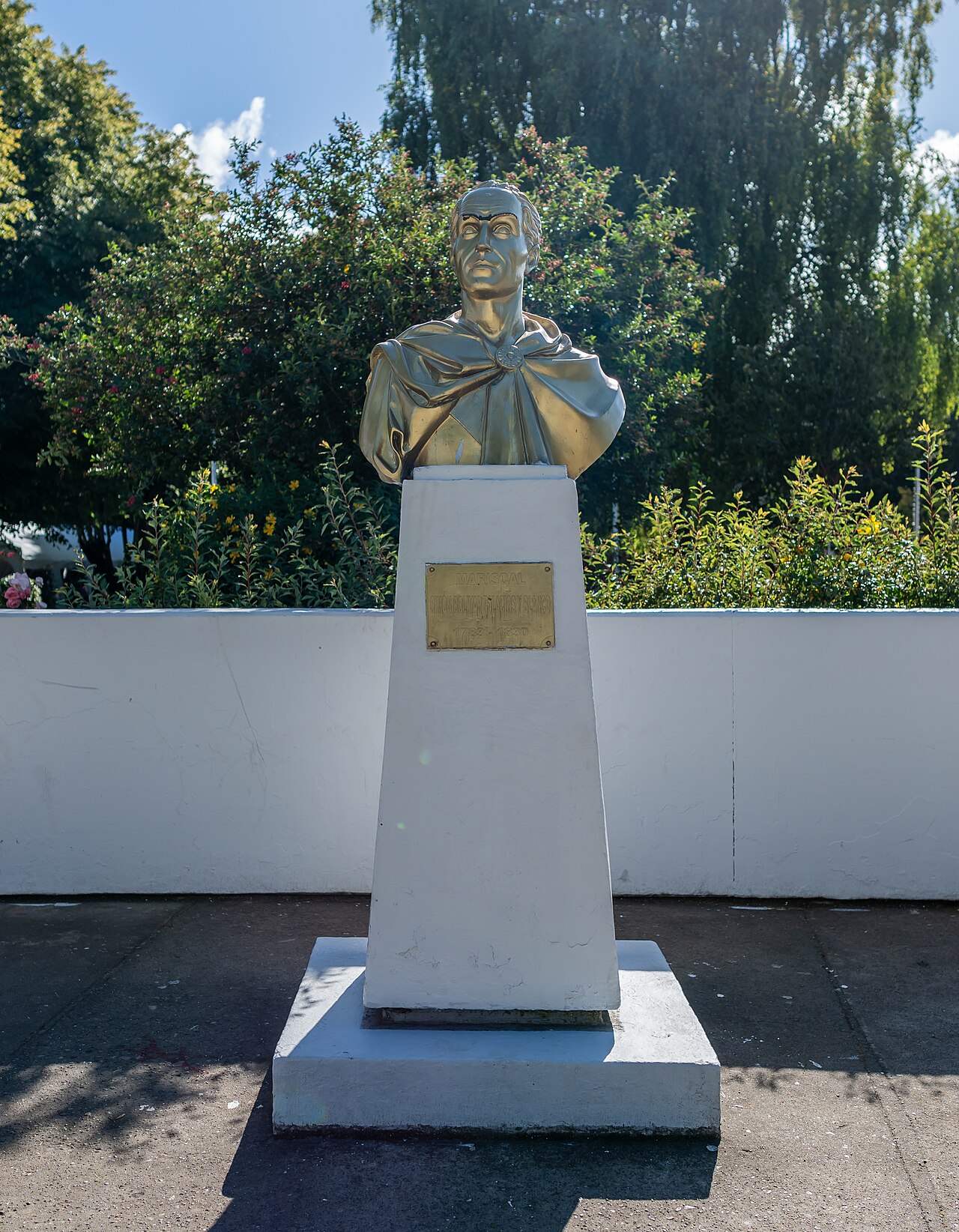
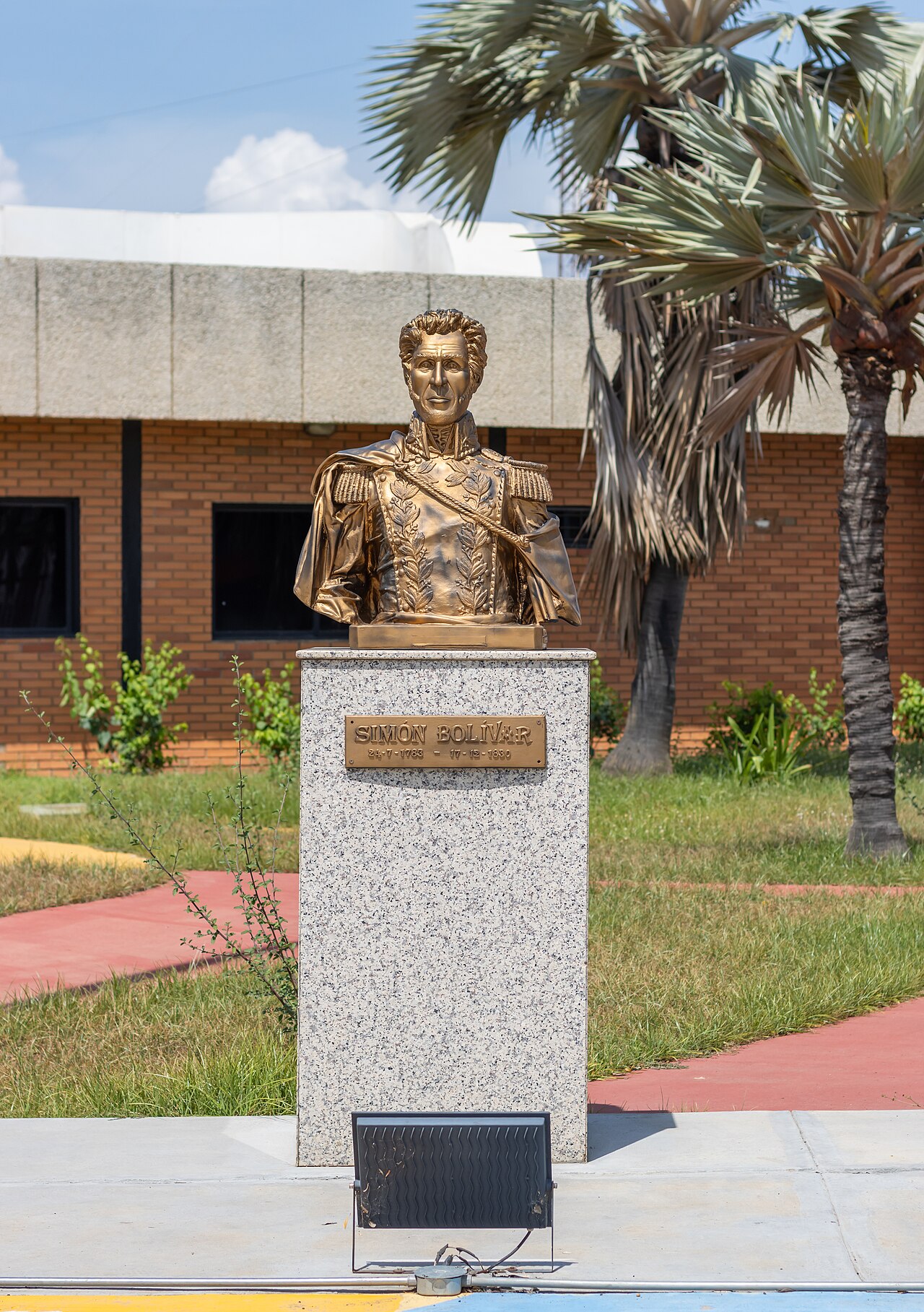
Frequently Asked Questions
Who is Simón Bolívar?
Simón Bolívar was a Venezuelan military leader and political figure who spearheaded the liberation of six South American nations from Spanish colonial rule. His full name was Simón José Antonio de la Santísima Trinidad Bolívar Palacios Ponte y Blanco, and he was born on 24 July 1783 in Caracas.
What did Simón Bolívar accomplish during his lifetime?
He directed successful independence campaigns that freed Bolivia, Colombia, Ecuador, Panama, Peru, and Venezuela from the Spanish Empire. His combined military and political work fundamentally redrew the map of South America in the early 1800s.
How did Simón Bolívar's story end?
Bolívar died on 17 December 1830 of tuberculosis at the age of 47. His death came just a few years after the last of his liberated nations had secured their freedom.
Why is Simón Bolívar called El Libertador?
The title 'El Libertador,' or 'the Liberator,' became his most widely recognized name because he personally led the armed struggles that freed six nations from Spanish imperial control. It is used colloquially across Latin America to honor his role in continental independence.
What was Simón Bolívar's background and nationality?
He was a Venezuelan criollo, meaning he was born in the colony to a family of European descent. He served in two capacities throughout his career: as a military officer on the battlefield and as a statesman shaping the new republics.
More in Leaders Of Revolution And Independence 1-20
Spotted an error? Know more?
This is a living reference — every entry is fact-audited, and reader corrections feed straight into our audit queue. Suggest an edit · See this site's audit record