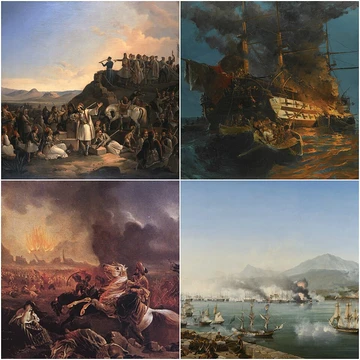
Taksin
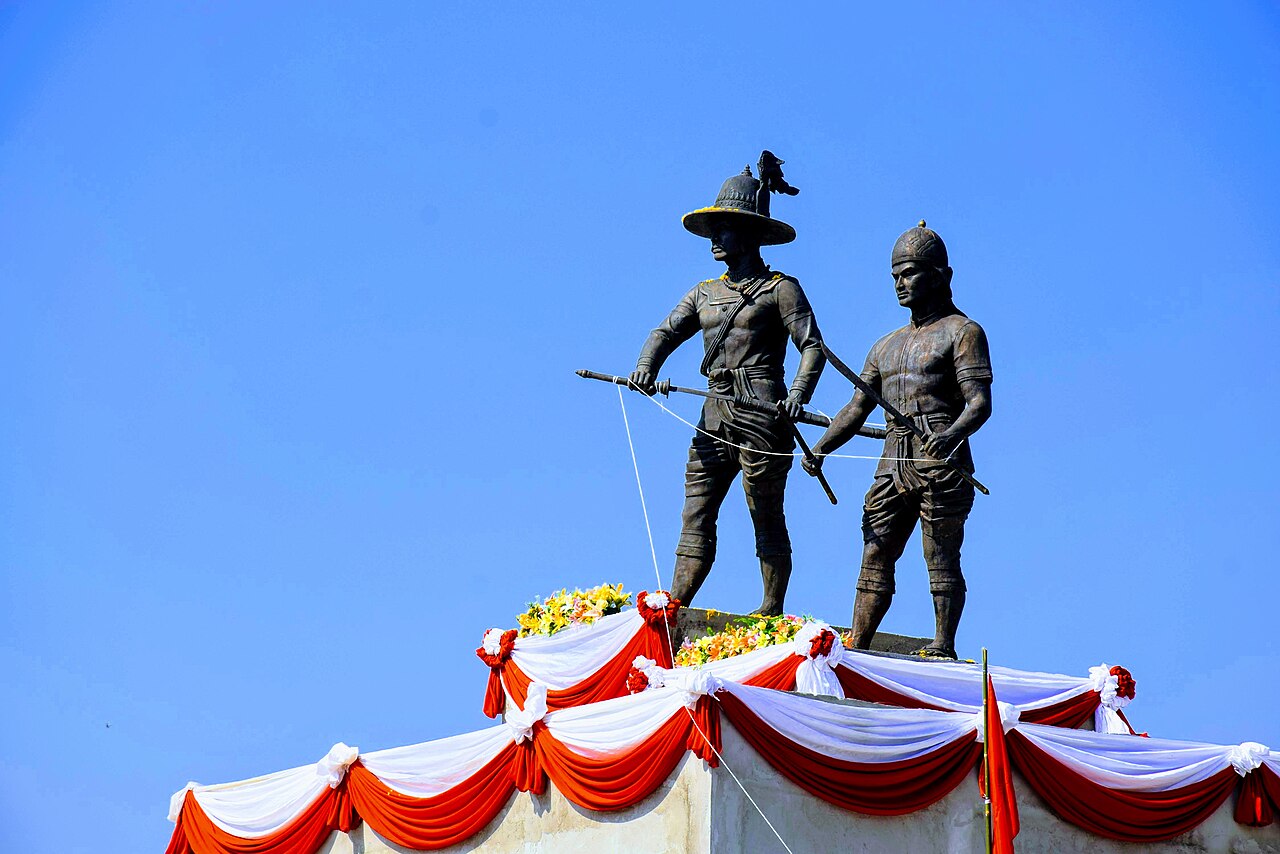
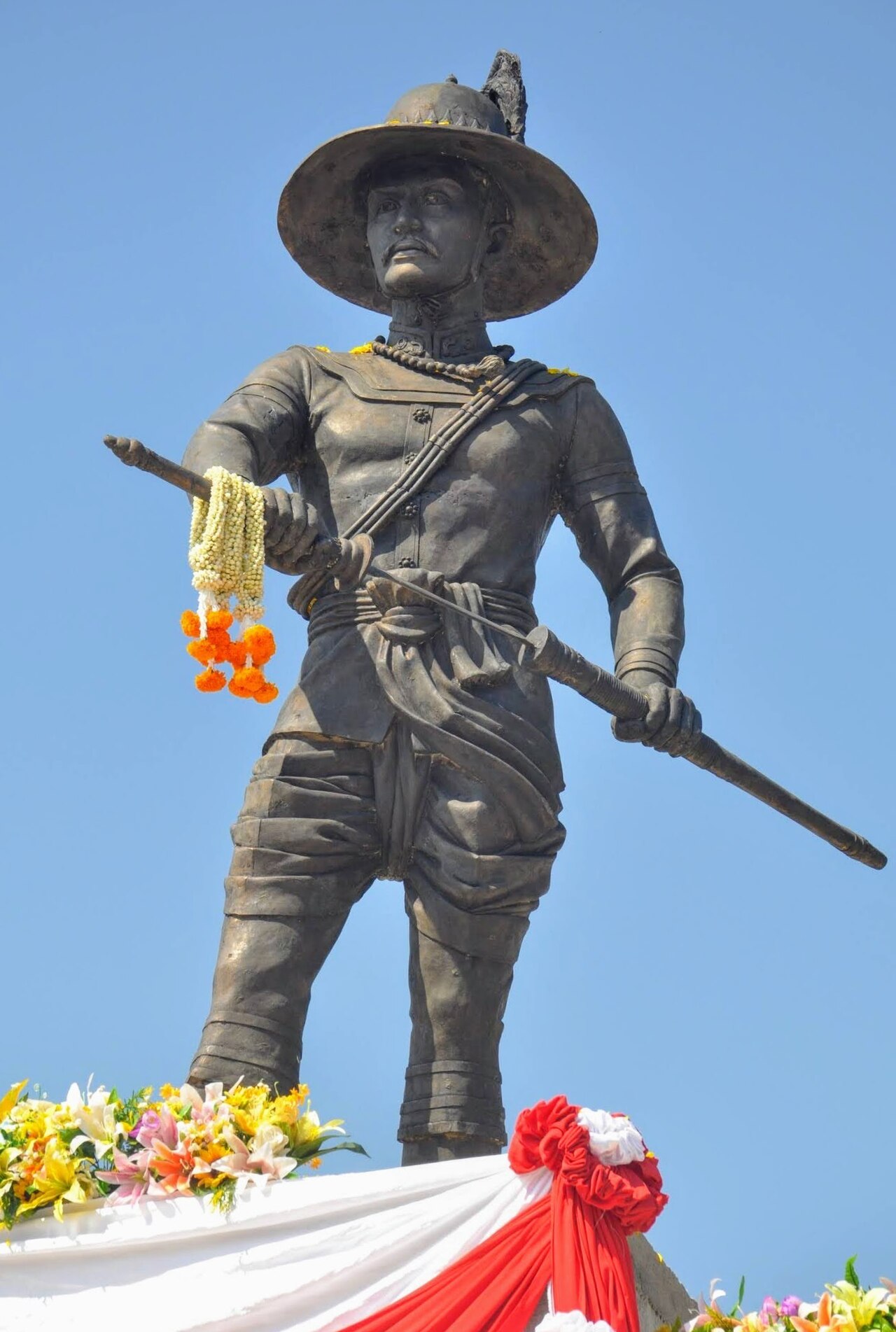
Thai Chinese general who liberated Siam and founded Thonburi.

Tmd · CC BY-SA 4.0
- field
- Military, Politics, Administration
- nationality
- Thai Chinese (Teochew, Tai-Chinese, Mon ancestry)
- known_for
- Liberation of Siam from Burmese occupation, unification of Siam, founding of Thonburi as capital
Lore & Background
He was born with the name Sin and served as a royal page after studying in a Buddhist monastery, where education focused on Pali and Thai. He became governor of Tak, earning the name Phraya Tak, and was later appointed Phraya Wachiraprakan of Kamphaeng Phet before the fall of Ayutthaya. He established Thonburi as the capital due to Ayutthaya's destruction and its strategic advantages.
Reader's Guide
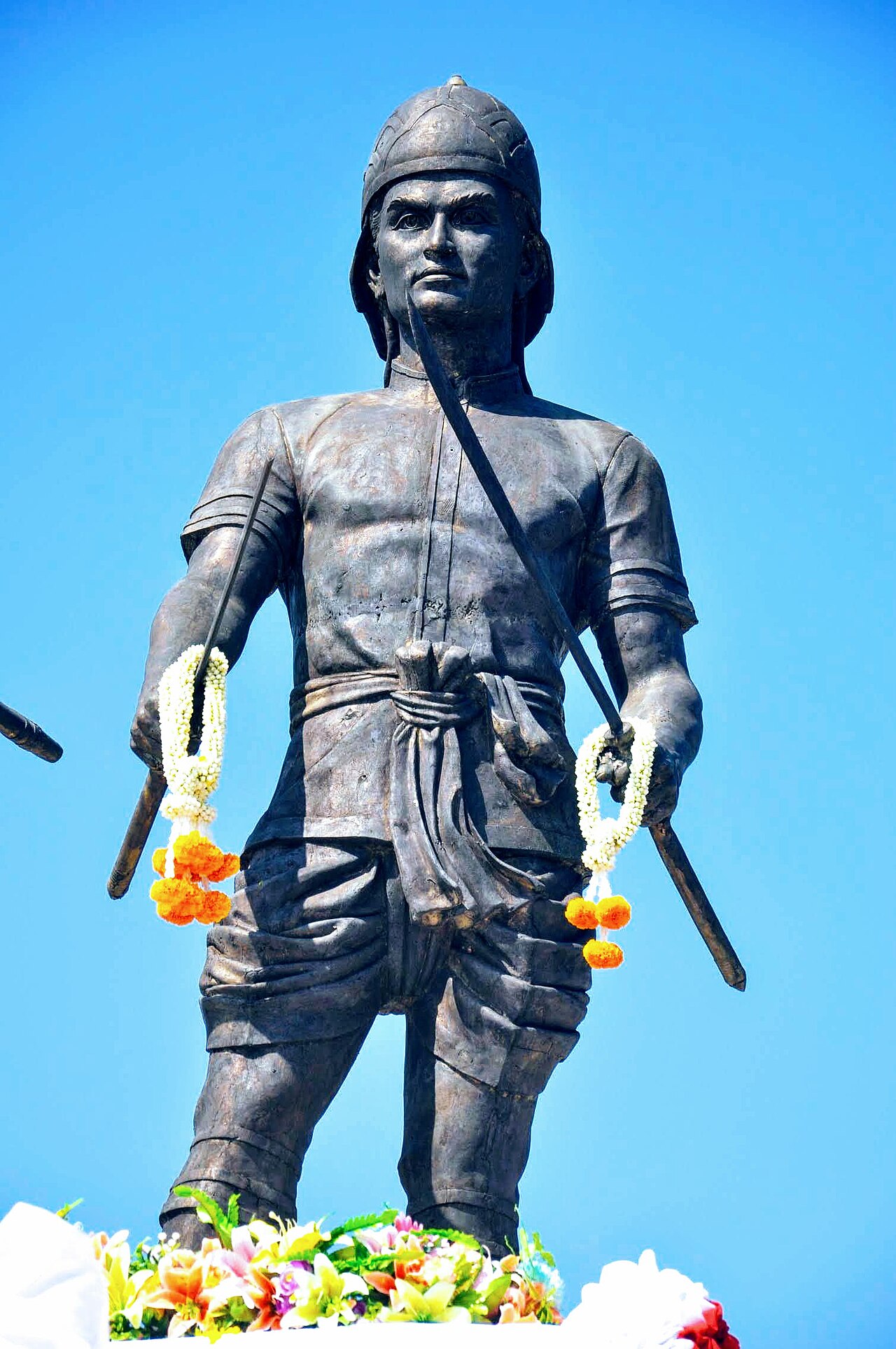
Taksin's reign was marked by numerous wars to repel Burmese invasions and subjugate Lanna, Laotian principalities, and Cambodia. Despite this, he focused on politics, administration, economy, and welfare, promoting trade, building roads and canals, restoring temples, and reviving literature and arts. He issued regulations for collecting texts to promote education and religious studies. His success stemmed from his warrior abilities, leadership, and organization, often leading from the front. Key figures in his campaigns included Thongduang (later Rama I) and Bunma. He was later awarded the title Maharat (the Great). His legacy is that of a unifier and founder of a new capital, though his reign ended violently.
Did You Know?
- His friend Thongduang, who later succeeded him as Rama I, was reportedly told by a fortune-teller that both would become kings.
Multicultural Roots and Formative Years
His father, Yong Saetae, served as a tax-collector and traced his roots to Chenghai District in Guangdong province, while his mother Nokiang carried Mon noble heritage through her grandmother, a sister of two prominent Mon officials, alongside Tai commoner lineage from her father. Recognizing the boy's potential, the Grand Chancellor of Civil Affairs under King Boromakot adopted him and bestowed the Thai name Sin, meaning treasure. At age seven, Sin entered the monastery of Kosawat Temple under the guidance of a monk named Thongdi, where he spent seven formative years. After completing his monastic education, he was dispatched to serve as a royal page, a role during which he mastered Hokkien-Chinese, Filipino, and several Indian languages to full fluency. During his novice years alongside his close companion Thongduang, a fellow Mon aristocrat's descendant, the two reportedly encountered a Chinese fortune-teller who declared both would one day wear a crown—a prediction that would prove uncannily accurate, as Thongduang would eventually succeed Taksin on the throne.
The Liberation Campaign
After roughly three years as a Buddhist monk, Sin entered the military service of King Ekkathat, rising from deputy governor to full governor of Tak, a promotion that earned him the title Phraya Tak. The grueling Siege of Ayutthaya, lasting over a year, tested his resolve to the breaking point, and he openly questioned whether his sacrifices meant anything. He regrouped in Rayong, raised a modest army, and was hailed as Prince Tak. Following Ayutthaya's fall on 7 April, the shattered kingdom fractured into six rival zones. Taksin seized Chanthaburi through a surprise night raid on 15 June, using the unscathed eastern coast as a springboard.
War, Commerce, and Cultural Renewal
He designated Thonburi as the new capital, since Ayutthaya had been nearly obliterated by the invaders. His fifteen-year reign was dominated by relentless military campaigns: repelling fresh Burmese incursions, subjugating the northern Lanna kingdom, bringing the Laotian principalities under Siam's authority, and confronting a threatening Cambodia. Yet warfare was far from his sole preoccupation. Taksin devoted substantial energy to governance, economic policy, and public welfare. He actively promoted international trade and cultivated diplomatic ties with foreign powers. Infrastructure projects—new roads and excavated canals—transformed the landscape. In the cultural sphere, he oversaw the restoration and renovation of temples, championed the revival of literature, drama, painting, architecture, and handicrafts, and issued formal regulations governing the collection and systematic arrangement of texts to advance both education and religious scholarship across the realm.
Coup, Execution, and Enduring Legacy
The throne passed to his long-time friend and ally Maha Ksatriyaseuk, the very Thongduang who had stood beside him through the liberation wars. Maha Ksatriyaseuk assumed the kingship and established the Rattanakosin Kingdom, founding the Chakri dynasty—a royal house that has continued to rule Thailand to the present day. In the decades and centuries that followed, the Thai nation came to recognize the magnitude of what Taksin had accomplished in the most desperate hours of their history. He was posthumously granted the honorific title Maharat, meaning the Great, a formal acknowledgment of his role in rescuing Siam from Burmese occupation, reuniting a fractured land, and laying the groundwork for the modern state. His story—of a multilingual, multiracial general who rose from monastic education to kingship and then fell at the hands of the very circle of allies who had fought beside him—remains one of the most dramatic arcs in Southeast Asian history.
Gallery
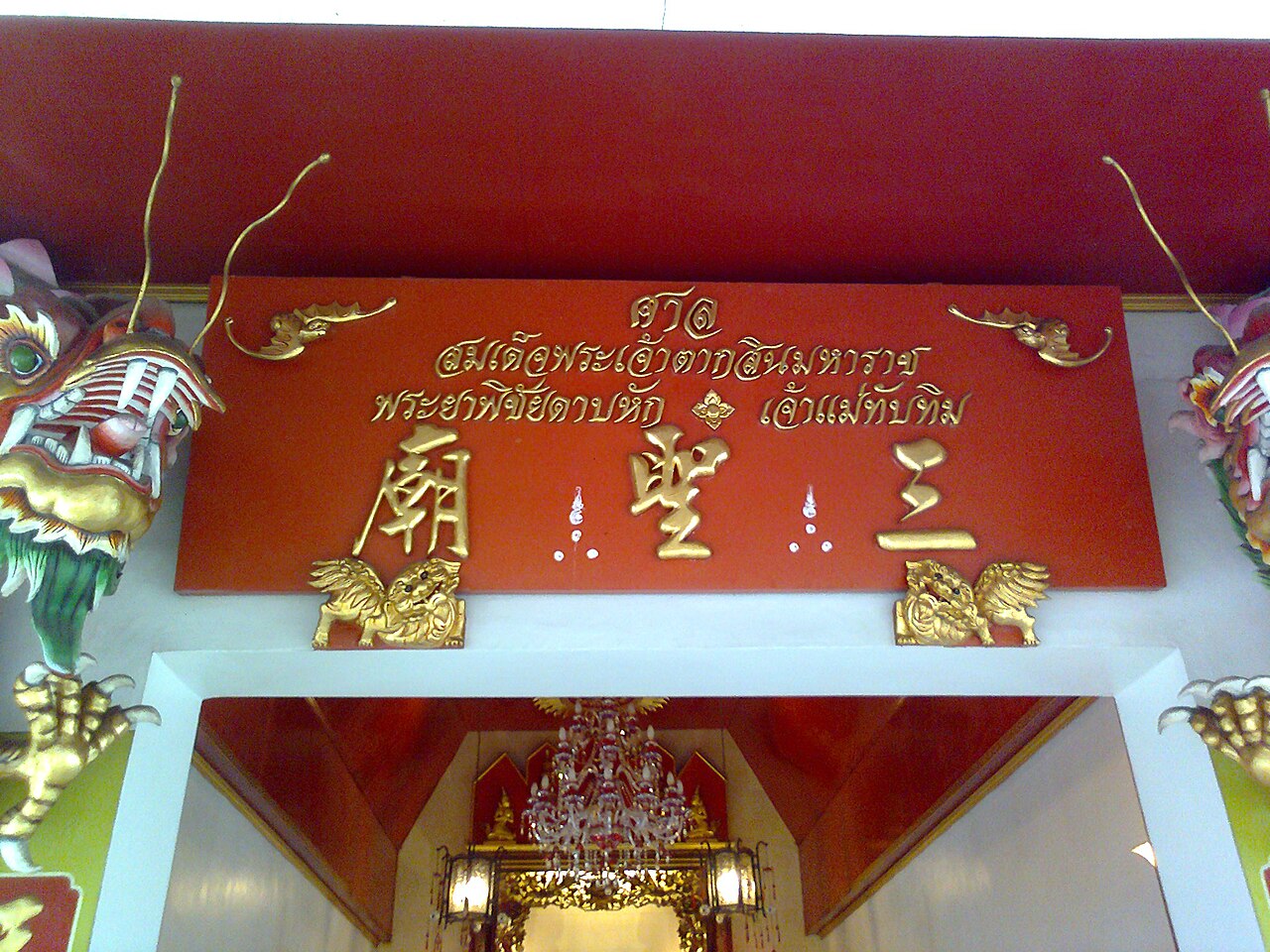
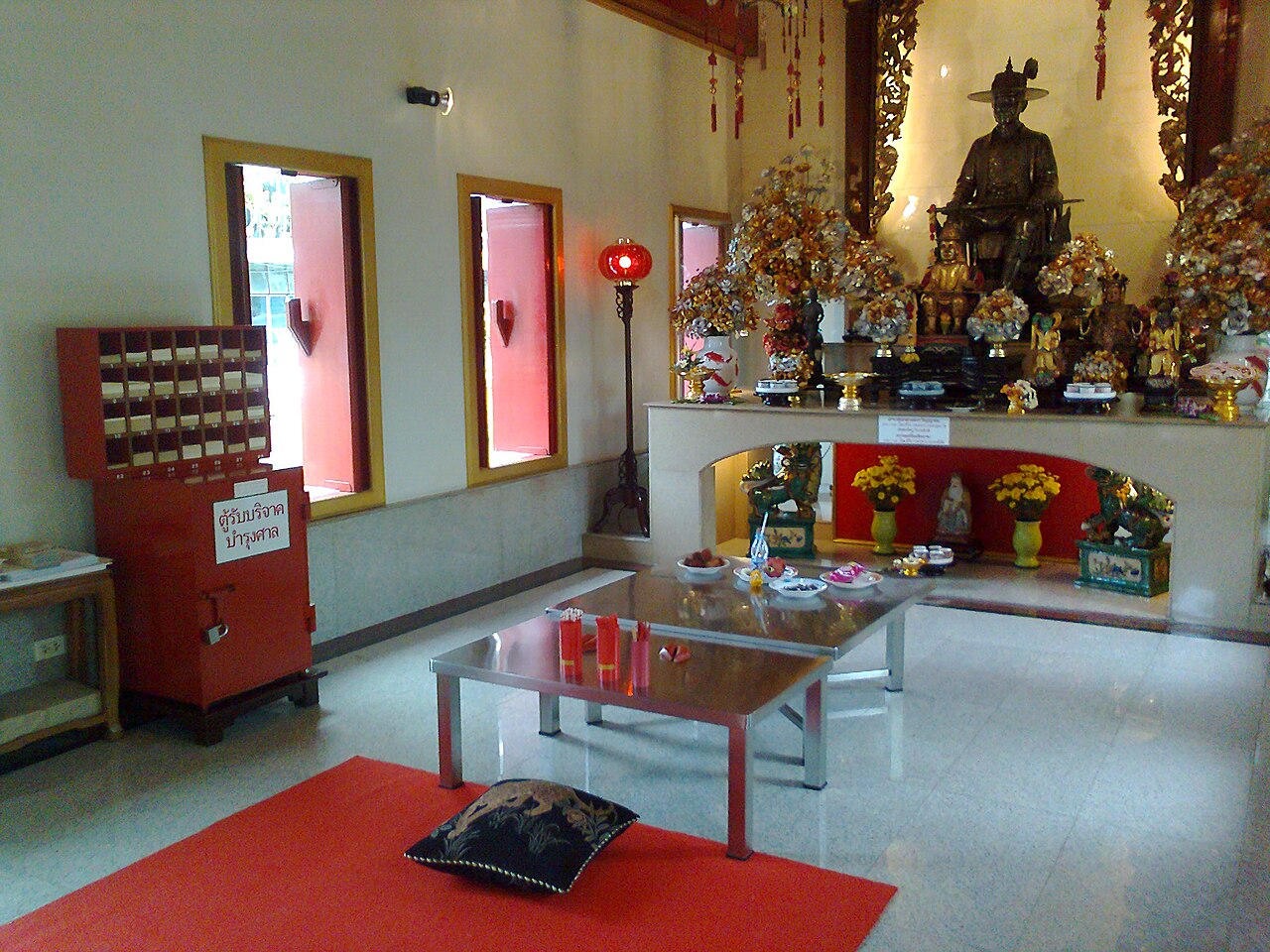
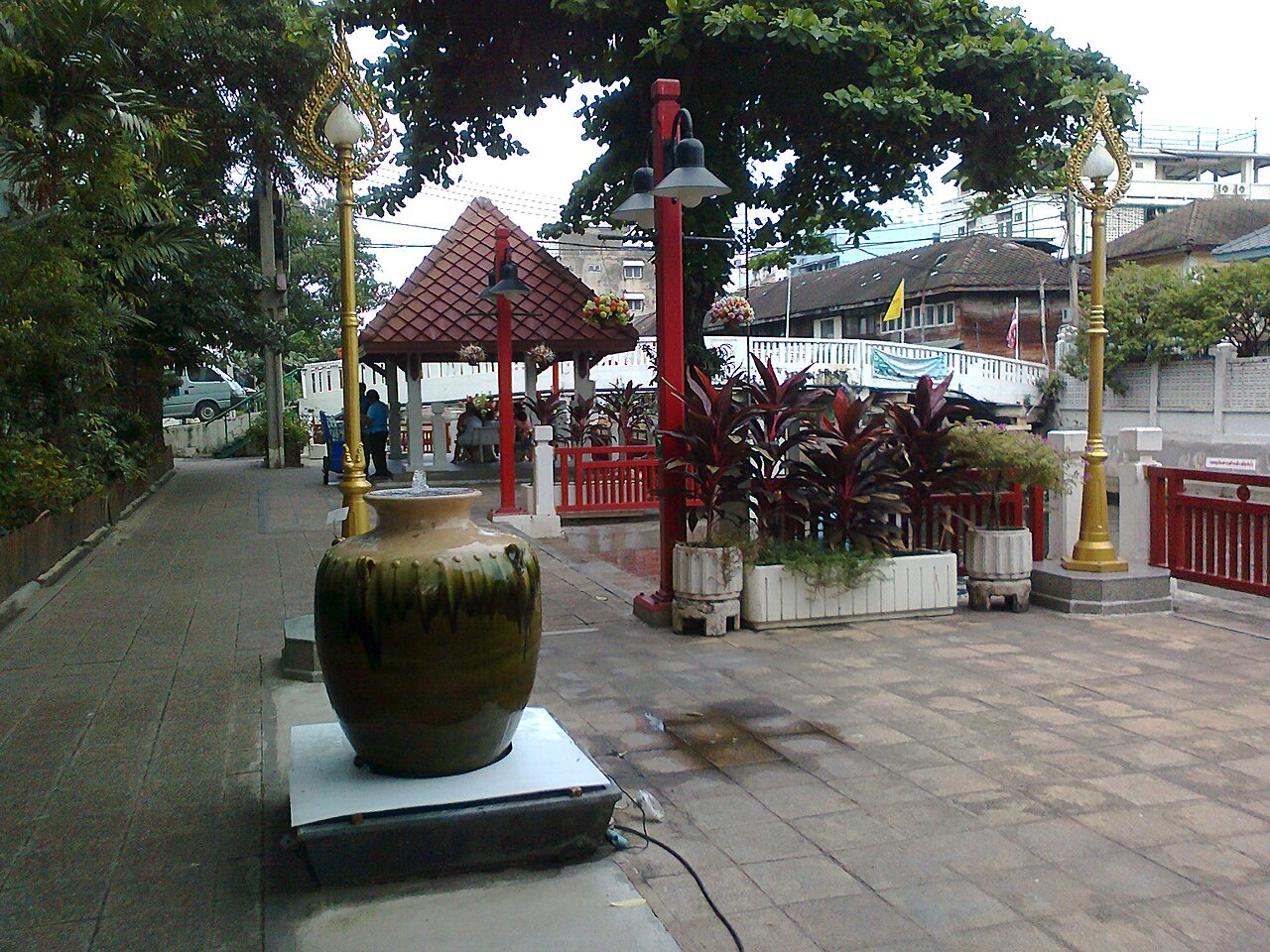
Frequently Asked Questions
Who is Taksin?
Taksin was a Thai Chinese military commander who drove the Burmese occupiers out of Siam and went on to establish the Thonburi Kingdom as its new sovereign state.
What was Taksin's ethnic and cultural background?
He was born into a family of mixed Thai Chinese descent, carrying Teochew, broader Tai-Chinese, and Mon heritage, which gave him a distinctive multicultural identity within Siamese society.
What is Taksin most famous for?
He is best remembered for liberating Siam from Burmese control after the fall of Ayutthaya, reunifying the scattered Siamese territories under one banner, and founding Thonburi as the new capital.
What fields did Taksin operate in?
His career spanned military command, political leadership, and state administration, making him a full-spectrum ruler rather than a purely military figure.
Why does Taksin matter in the broader story of Thai independence?
He restored Siam's sovereignty at a moment when the old capital had been destroyed and the nation was on the brink of dissolution, effectively preserving Thai statehood for the generations that followed.
More in Leaders Of Revolution And Independence 1-20
Spotted an error? Know more?
This is a living reference — every entry is fact-audited, and reader corrections feed straight into our audit queue. Suggest an edit · See this site's audit record